Farm Action Responds to House Farm Bill
“The 2026 Farm Bill is an opportunity for Congress to reshape our food system, but the House’s newly released bill text signals more of the same.”

“The 2026 Farm Bill is an opportunity for Congress to reshape our food system, but the House’s newly released bill text signals more of the same.”

Monopoly power in agriculture is not inevitable, and it can be challenged. This blog lays out key lessons from the past that can help chart our path forward.
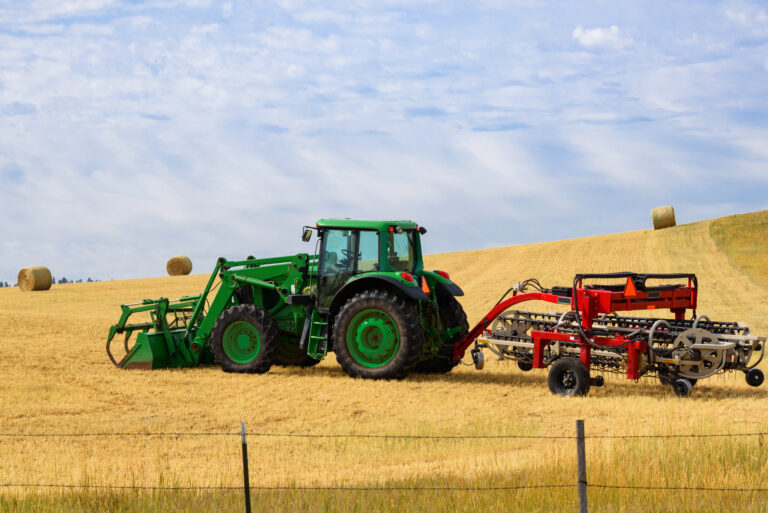
The EPA issued new guidance making clear that manufacturers cannot use the Clean Air Act to prevent farmers from fixing their own equipment.
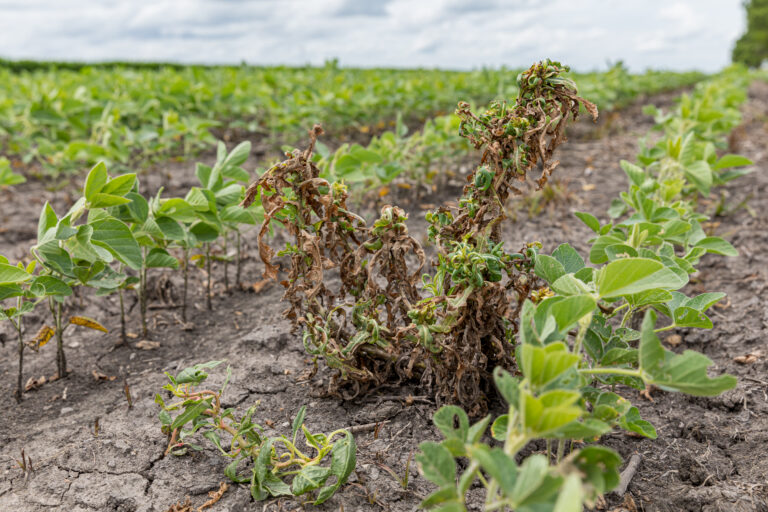
Farmers have been boxed into a system in which one neighbor’s weed control can become another neighbor’s loss.
Congress is about to start working on the 2026 Farm Bill, and the policy decisions at play will have high stakes for farmers and our food system.

Farm Action backs USDA’s proposed updates to the Agricultural Foreign Investment Disclosure Act (AFIDA) to increase transparency around farmland ownership.
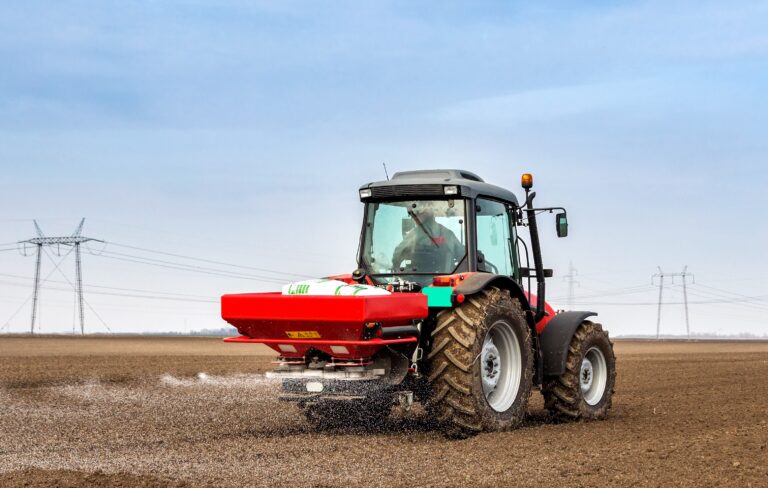
“Canada’s Nutrien and Florida-based Mosaic were responsible for more than 90% of North American phosphate fertilizer and potash production in 2024, according to Farm Action.”

The true cost of food system consolidation is measured in lives, not market share—farmers in debt, workers at risk, and rural communities losing security.

As the Supreme Court weighs Bayer-Monsanto’s challenge to Roundup lawsuits, farmers’ ability to hold powerful corporations accountable hangs in the balance.
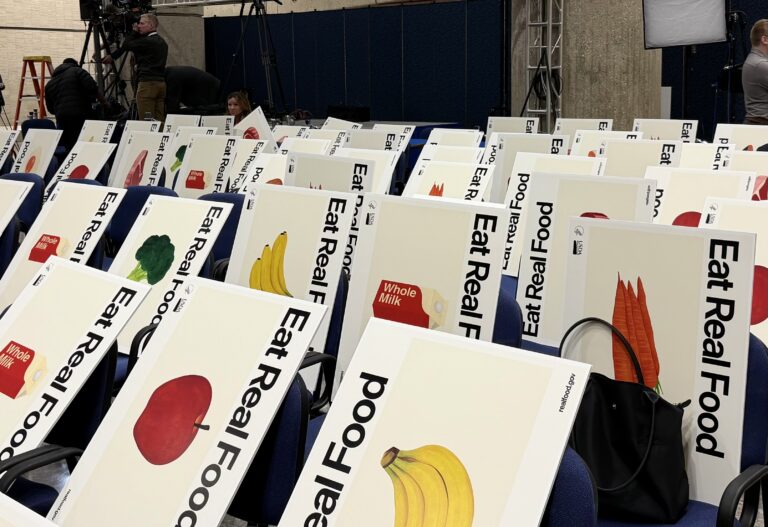
“These guidelines influence what schools, the military, and other institutions buy with public dollars. That purchasing power shapes the markets farmers depend on,” said Farm Action’s Angela Huffman.