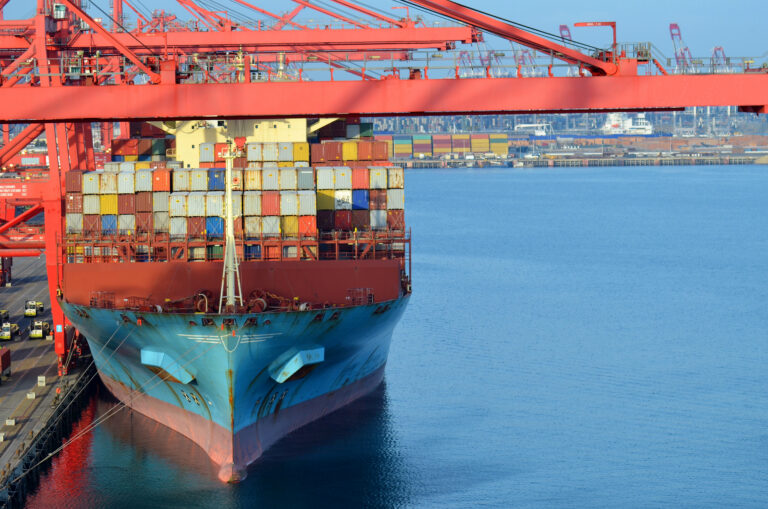
Who Gets the Savings From Trump’s Imported Beef?
The Trump administration says its beef import plan will lower prices. Farm Action will track whether savings reach consumers and how the plan affects ranchers.

The Trump administration says its beef import plan will lower prices. Farm Action will track whether savings reach consumers and how the plan affects ranchers.
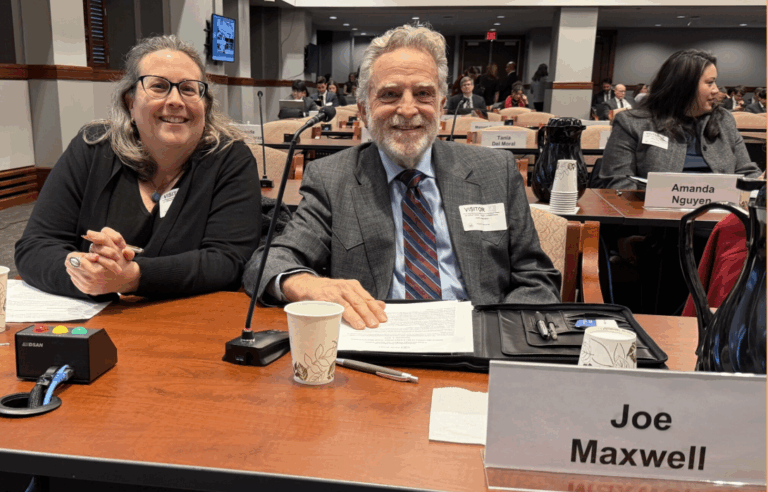
“MCOOL is not optional—it is essential. It is essential for rebuilding the herd, restoring fairness, and protecting our food security. The USMCA Joint Review is your moment to fix this,” said Farm Action’s Joe Maxwell.
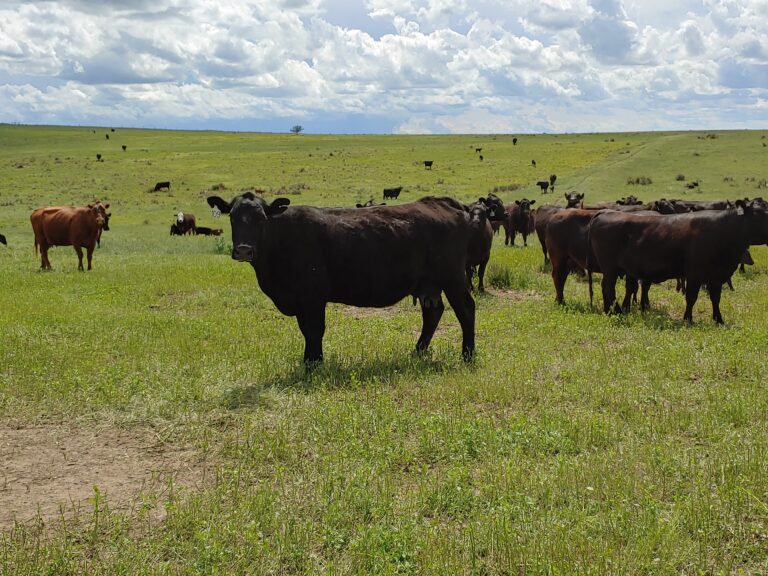
As USTR prepares for the 2026 USMCA review, Farm Action calls for restoring MCOOL to ensure transparency for consumers and fair competition for U.S. producers.
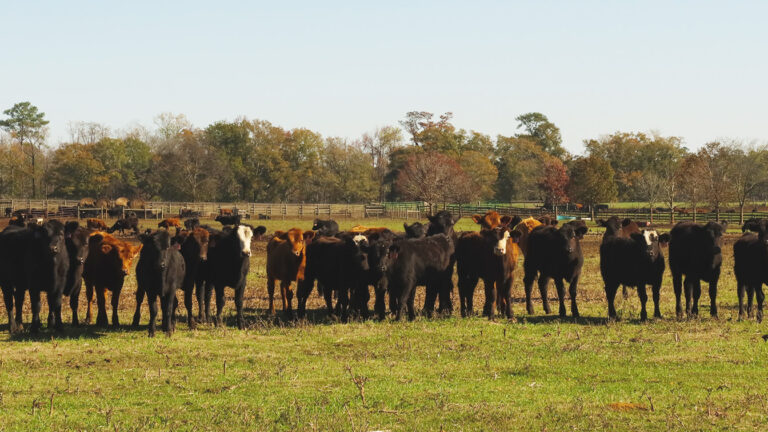
“Washington should be focused on fixing our broken cattle market, not rewarding foreign competitors,” said Farm Action’s Christian Lovell.
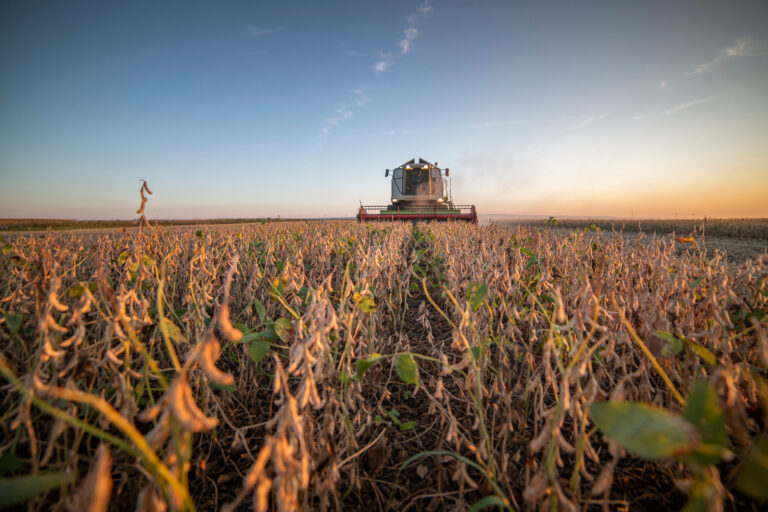
Beneath the headlines about trade wars and bailouts lies a deeper truth: America’s agricultural system is structurally flawed.
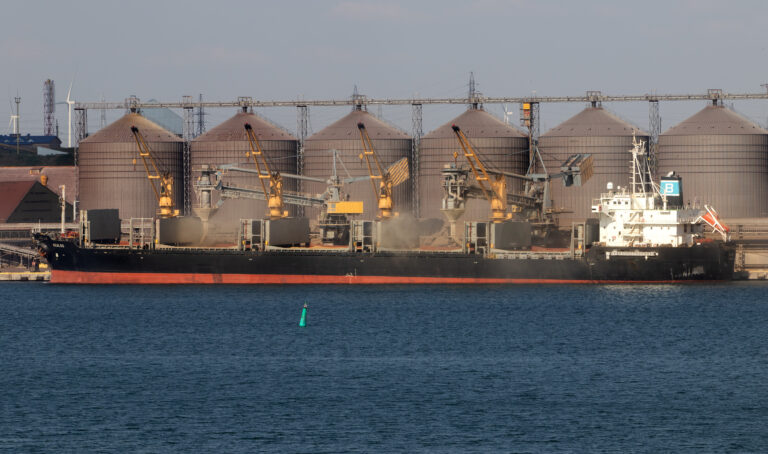
Broad sweeping tariffs are counterproductive in today’s highly consolidated food and farm system. We need a strategic approach in order to protect our farmers.
There has been widespread pushback against these proposed tariffs, with leading economists agreeing that Trump’s plan to impose hefty tariffs on imported goods would likely send prices surging.

Mexico’s preference for higher-value non-GM corn is a market opportunity for U.S. farmers, but our government is focused instead on a misguided trade dispute.

As the U.S. ag trade deficit is forecast to increase by 45%, our research shows we could balance it by converting less than .5% of farmland to high-value crops.
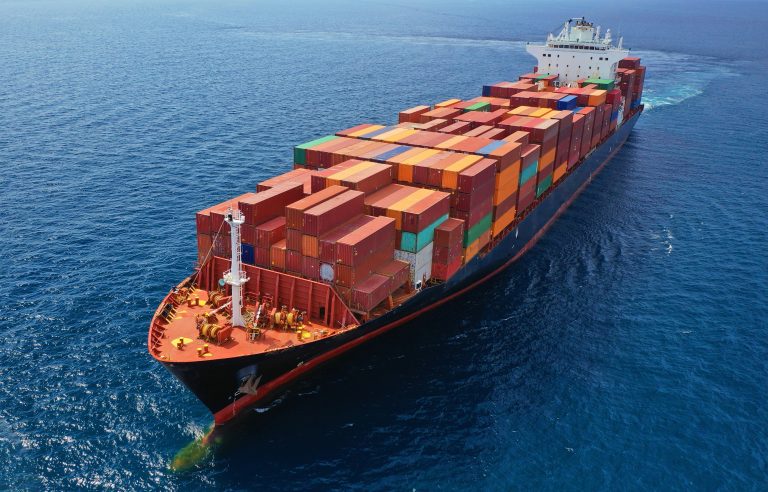
The United States is growing less and less of its own food and is becoming increasingly dependent on foreign countries to feed itself as a result.