By Angela Huffman
The White House says imported beef will be sold at 25% below the market price. Farm Action will track where those savings go and what happens to American ranchers along the way.
The Trump administration says its new beef import plan will lower ground beef prices for American consumers.
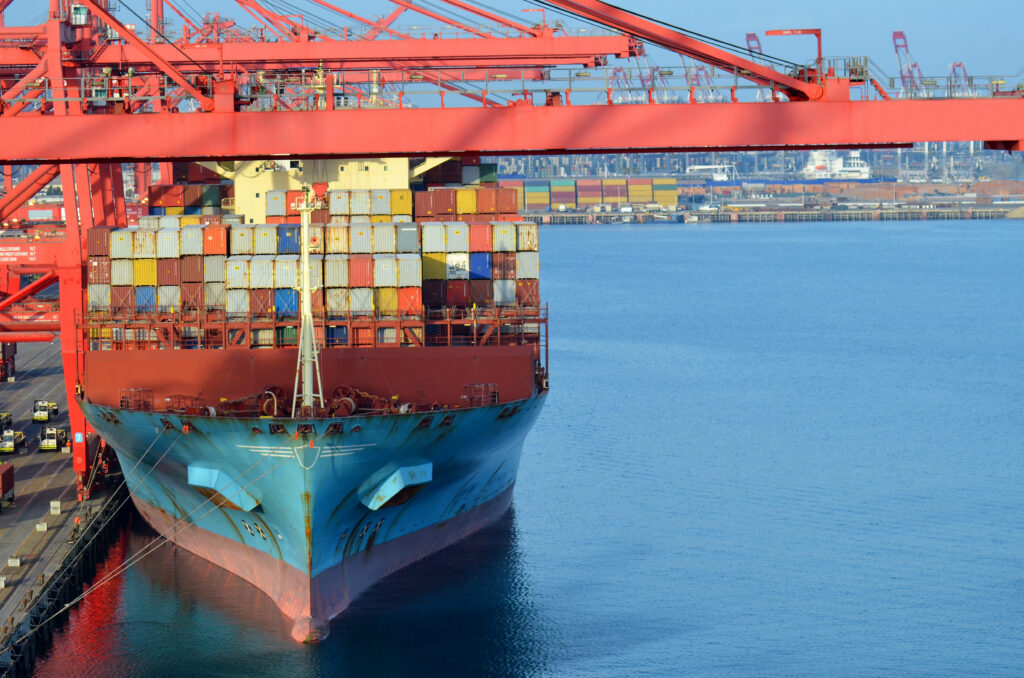
Beginning September 1, the U.S. will allow up to 300,000 metric tons of additional beef to enter the country at a lower tariff through November 30.
The White House is directing the U.S. Department of Agriculture (USDA) and the U.S. Trade Representative (USTR) to monitor whether the imported lean beef is being sold at 25% below the market price.
But there is a big difference between cheaper beef entering the supply chain and cheaper beef reaching a grocery cart.
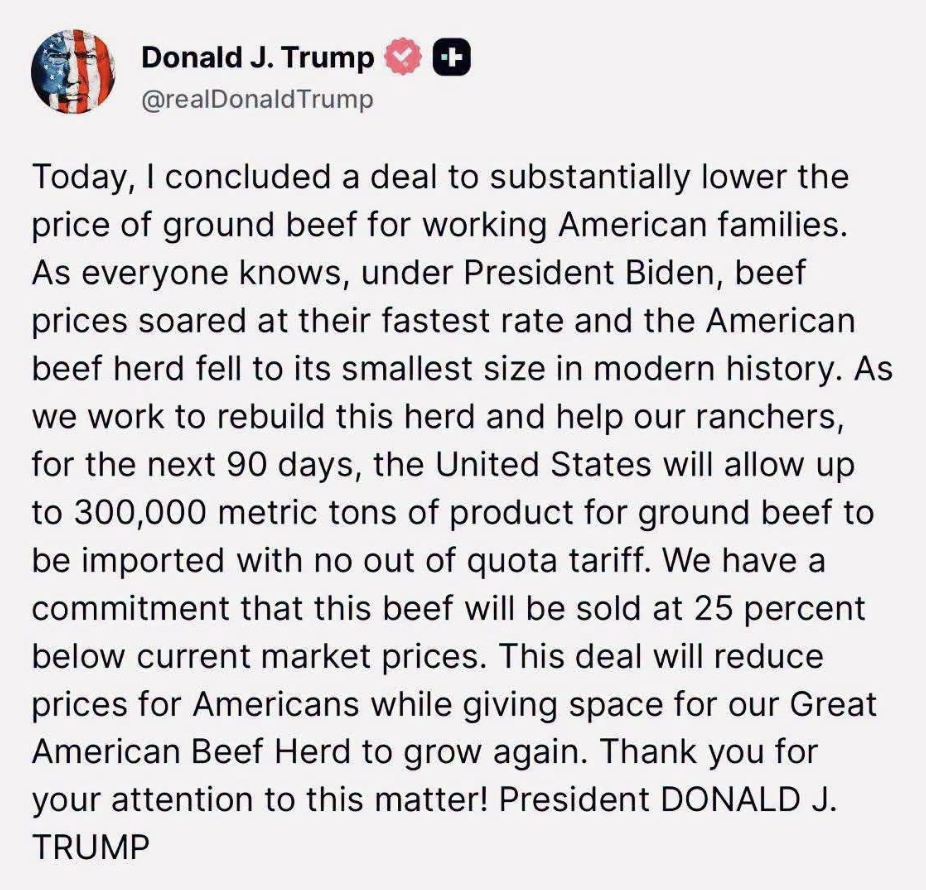
President Trump said on August 26 that the 90-day beef import plan would “reduce prices for Americans” while allowing the U.S. cattle herd to grow.
What Exactly Are We Importing?
The additional imports are not steaks or packages of hamburger headed straight to grocery stores. They are lean beef trimmings, which are pieces of lean beef used to make ground beef.
Processors often mix lean beef with fattier beef to make hamburger with the right amount of fat. Some of that lean beef comes from imports, but American cattle producers supply lean beef too, particularly from older cows that are sold from the herd.
So what happens when this additional foreign beef arrives?
A U.S. meatpacker or processor can buy the imported lean beef and mix it with fattier beef from U.S. cattle to make ground beef. That ground beef can then be sold to a grocery retailer, which sets the price shoppers see at the store.
The 25% discount the White House is talking about happens early in that process.
Where Does the 25% Discount Go?
The imported lean beef is supposed to be sold at a steep discount. For meatpackers and processors buying it, that means paying less for a key ground beef ingredient.
What happens after that is much less certain.
If a meatpacker pays less for lean beef, does it lower the price it charges the grocery retailer? If the retailer then pays less for the beef, does it lower the price shoppers pay?
The administration will monitor the price of the imported lean beef. But its proclamation does not require ground beef at the grocery store to be 25% cheaper.
Four companies control roughly 85% of U.S. beef processing, and a small number of large companies also dominate grocery retail. That means the cheaper imported beef will move through industries where a handful of companies have significant power over prices.
A meatpacker paying less for beef does not have to pass all of those savings to a retailer, and a retailer paying less does not have to pass all of its savings to shoppers.
Farm Action has also documented how dominant food companies have used disruptions and concentrated markets to raise prices and profits while squeezing farmers and consumers. Meanwhile, the Department of Justice (DOJ) says it is already investigating possible price manipulation and unfair practices in the beef industry.
The question is: If imported beef gets much cheaper, will shoppers actually pay less for hamburger meat?
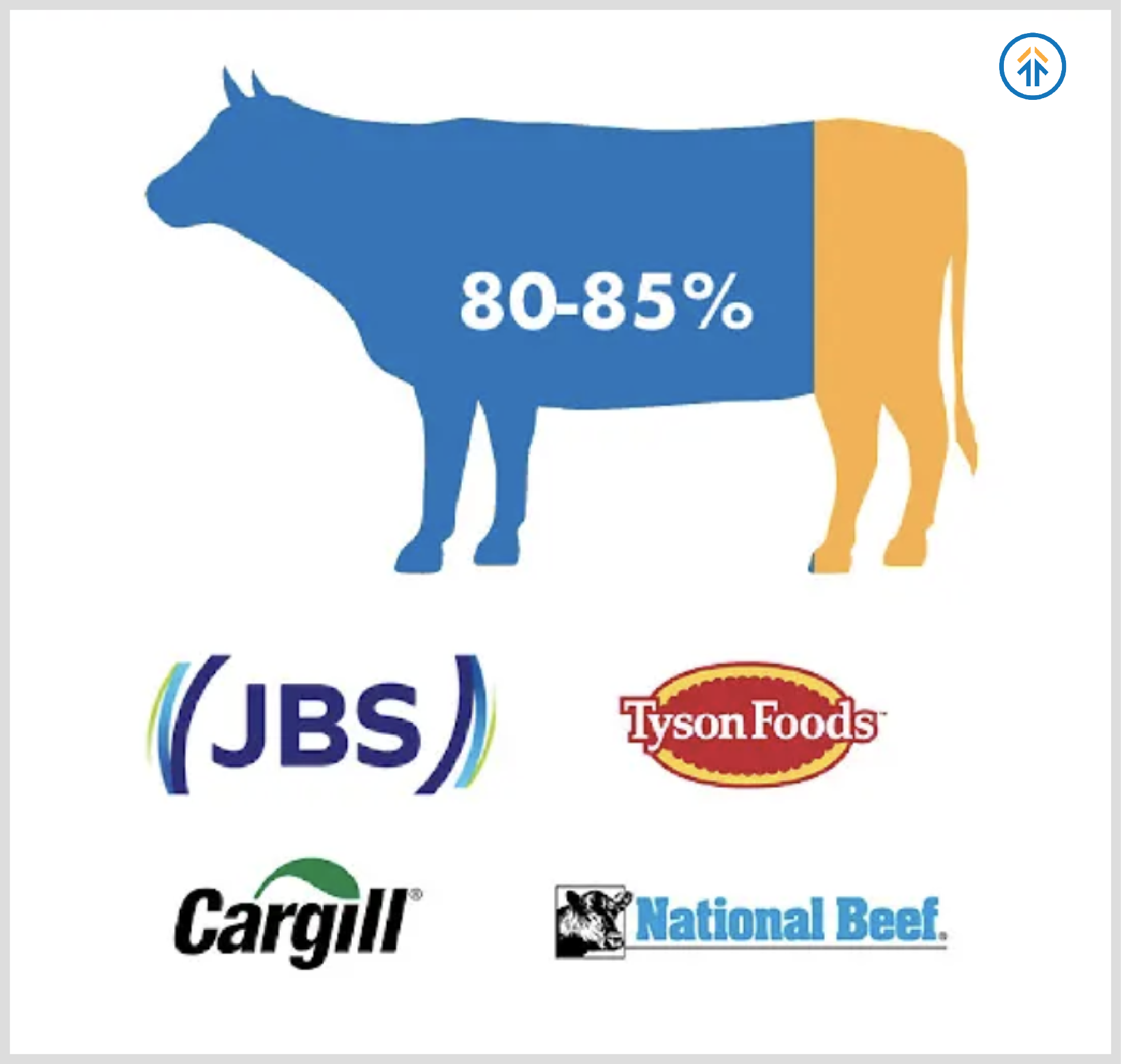
Four companies control 80–85% of U.S. beef processing.
Shoppers May Not Know They're Buying Imported Beef
Mandatory Country-of-Origin Labeling (MCOOL) does not apply to beef. Congress repealed those requirements in 2015.
That means ground beef containing imports does not have to carry a country-of-origin label, leaving shoppers with no way to know where it came from.
At the same time, American cattle producers can be competing with cheaper imported beef while shoppers have no way to distinguish it from beef from U.S. cattle.
Farm Action has long supported restoring MCOOL for beef. If the federal government is going to increase imports of cheaper foreign beef, consumers should at least be able to tell where the beef they are buying came from.
What Happens to American Ranchers?
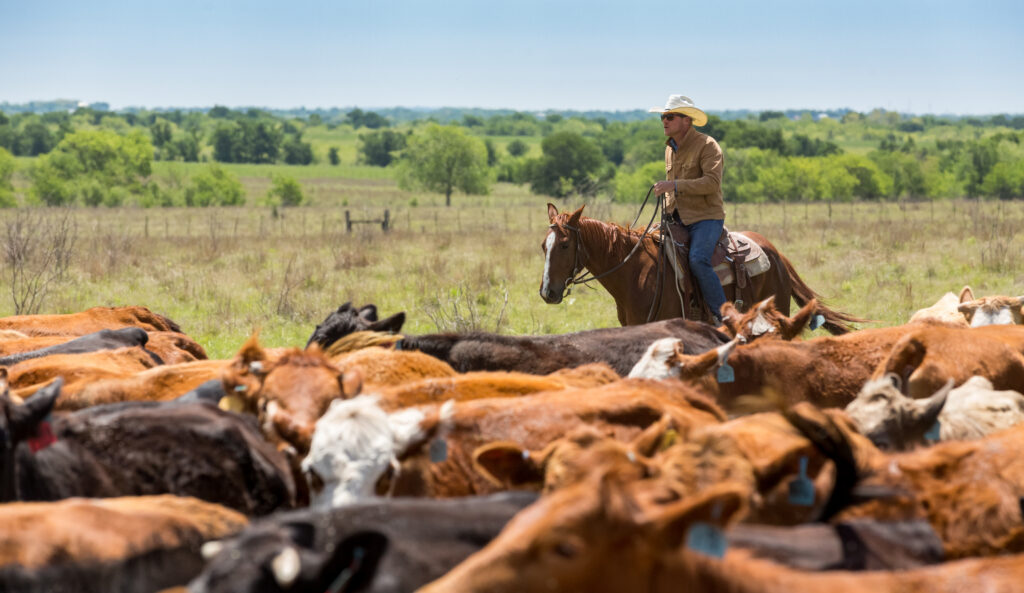
American cattle producers have already been through years of drought, high costs, and shrinking herds. The U.S. cattle herd is now at its lowest level in 75 years.
Rebuilding it will take years, and ranchers have to spend money now to make that happen.
For example, a rancher can sell a young female cow, called a heifer, or keep her for breeding so she can produce calves in the future. Keeping her means giving up income today and taking on more costs in hopes that the investment pays off later.
Strong cattle prices make it easier for ranchers to keep those animals and invest in rebuilding their herds.
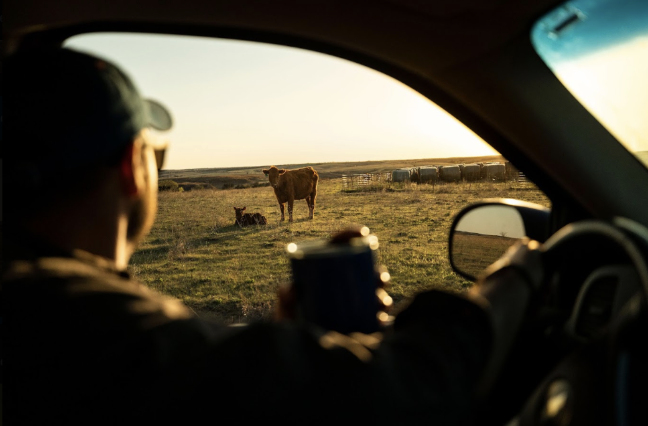
Now the federal government is allowing a large amount of additional foreign beef to enter the country at a lower tariff. That imported lean beef will compete with lean beef from U.S. cattle, particularly older cows and bulls sold from the herd. Those cull animals typically account for about 15% of a cow/calf producer’s annual revenue, so lower prices in this market could make it harder for producers to invest in growing their herds.
The White House says the plan can lower ground beef prices without getting in the way of rebuilding the U.S. cattle herd. Farm Action wants to see whether that is what actually happens.
Our June report, Lowering Beef Prices While Rebuilding America’s Cattle Sector, warned that relying too heavily on imports can weaken cattle prices without guaranteeing lower prices at the grocery store. More imports are not a replacement for rebuilding our own cattle supply and bringing more competition into the beef industry.
Farm Action Will Track What Happens Next
Over the next 90 days, Farm Action will follow the beef dollar through the supply chain, tracking the price of imported lean beef, what grocery retailers pay for beef, what shoppers pay for ground beef, and what happens to cattle prices.
We’ll be looking for the answer to one key question:
Who got the savings from Trump’s imported beef?
Sign up for Farm Action’s bi-weekly newsletter to follow our 90-day investigation and see where the savings go.