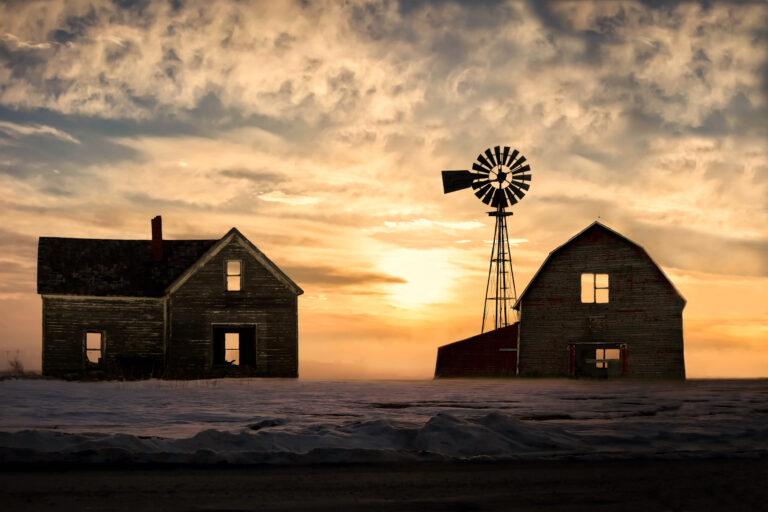
The Human Cost of Monopolies: Farmers, Workers, and Rural Communities
The true cost of food system consolidation is measured in lives, not market share—farmers in debt, workers at risk, and rural communities losing security.
The true cost of food system consolidation is measured in lives, not market share—farmers in debt, workers at risk, and rural communities losing security.

As the Supreme Court weighs Bayer-Monsanto’s challenge to Roundup lawsuits, farmers’ ability to hold powerful corporations accountable hangs in the balance.
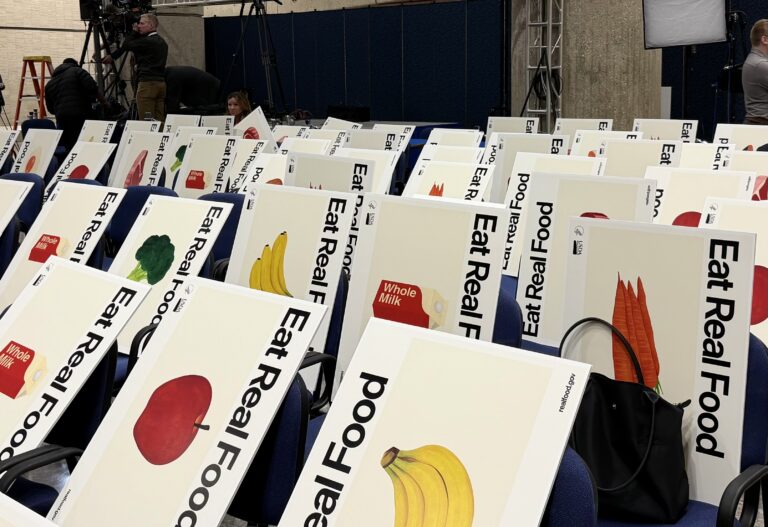
“These guidelines influence what schools, the military, and other institutions buy with public dollars. That purchasing power shapes the markets farmers depend on,” said Farm Action’s Angela Huffman.
America’s food system didn’t become dominated by a handful of corporations by accident—it was built by design.
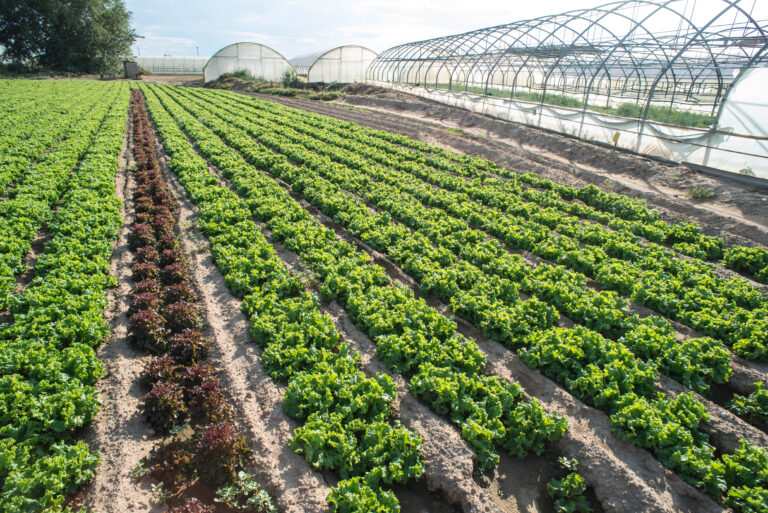
“It’s encouraging to see the Dietary Guidelines put whole, minimally processed foods back at the center,” said Farm Action President Angela Huffman.
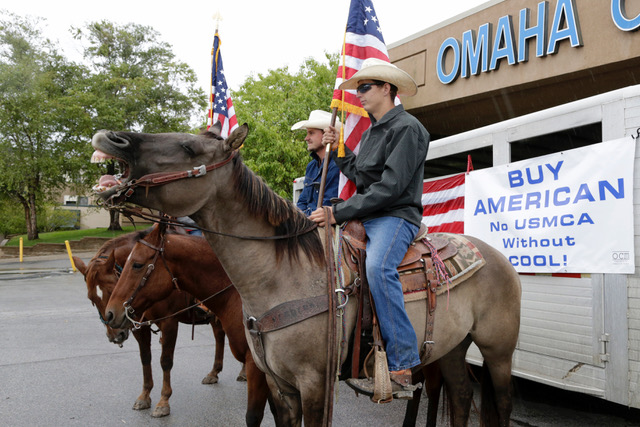
A new USDA rule closes a policy loophole that allowed imported meat to receive the “Product of USA” label.
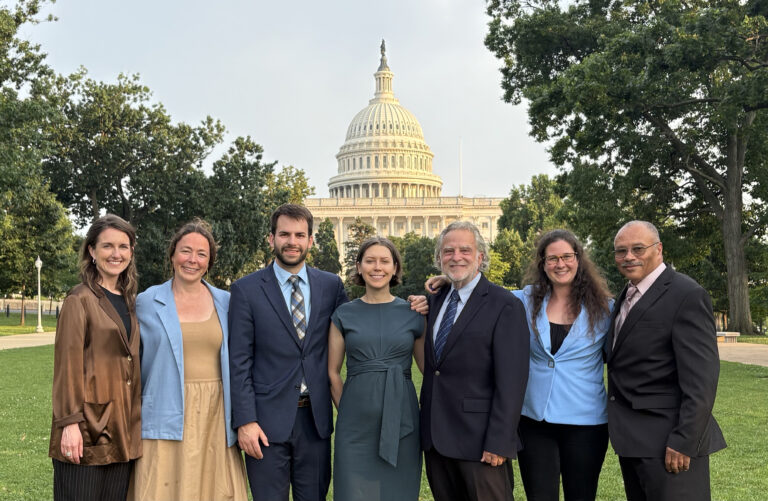
As a farmer-led watchdog, Farm Action challenged corporate power, pressed policymakers, and elevated farmers’ voices to build a fairer food system in 2025.

“Regenerative agriculture is not only better for the land and public health, but it also creates a path to rebuilding farmer profitability,” said Angela Huffman, Farm Action’s president.

“The way we see it is these repeated bailouts are also a sign that the underlying system is broken,” said Farm Action’s Angela Huffman, who runs an Ohio sheep farm.

“The message we’re wanting to get to Washington, D.C., is that the system is broke,” Farm Action’s Joe Maxwell told Fortune.