Reposted from: https://www.wisfarmer.com/wardriven-energy-volatility-pushes-fertilizer-prices-sharply-higher/89710295007/
Markets for oil and for fertilizer have been whiplashed by events in the Middle East – recently there was news that the Strait of Hormuz was open, then it was blockaded, then reportedly the blockade was ended. Then Iran decided to close the Strait to ship traffic. Over the weekend, U.S. forces boarded an Iranian ship. All of that news came in the span of a couple of days.
For those who are awaiting the materials like tankerloads of oil and shiploads of fertilizer sitting off the coast of Iran, it is a frustrating and costly time.
American Farm Bureau Federation surveyed 5,700 farmers, both Farm Bureau members and non-members, which showed that 70% of them said fertilizer is so expensive that they will not be able to buy all the fertilizer they need for this growing season. The survey included farmers from every state as well as Puerto Rico. The survey showed that the percentage of farmers who had pre-purchased fertilizer varied significantly by region.
When Farm Bureau economists analyzed the survey results, they found that 80% of farmers in the South say they can’t afford all the fertilizer they need this year. In the Midwest, that figure was 48%; in the West it was 66% and in the Northeast it was 69%.
In the Midwest, the survey showed that 67% of farmers had pre-booked their fertilizer needs but even with pre-booking, one-third of Midwest farmers in the survey still report entering the planting season without securing all of their fertilizer needs.
According to the survey, 94% of the farmers who responded said their financial situation has worsened or remained the same since this time last year. Six percent reported an improvement in their financial situation.
Skyrocketing cost of fuel and fertilizer is creating more economic hardship for farmers
With fertilizer supplies bottled up behind the Strait of Hormuz, fertilizer prices have been soaring – along with crude oil prices.
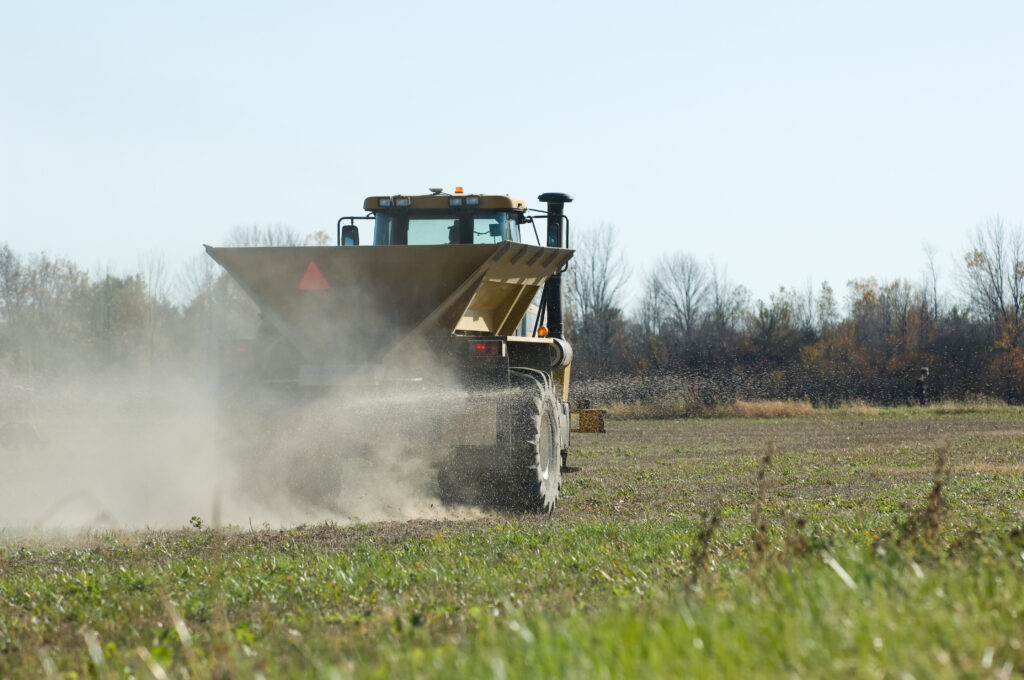
Economists with Farm Bureau note that spring planting decisions depend heavily on access to fertilizer and diesel fuel, both of which have been impacted by geopolitical risks that have disrupted global markets. Since the escalation of war in the Middle East, nitrogen fertilizer prices have risen more than 30% and combined with fuel prices those costs have risen from 20% to 40%. Urea prices have increased almost 50% since the end of February.
That is the largest month-to-month percentage increase in the price of urea and the increases come as farmers face already tight margins that have been in place for many consecutive years, the economists noted.
Many of the farmers in the survey said they plan to forego applying fertilizer this spring in hopes that prices will return to an affordable level later in the growing season.
“The skyrocketing cost of fuel and fertilizer is creating more economic hardship for farmers who have already endured years of losses,” said AFBF President Zippy Duvall. Without the necessary fertilizer products farmers will face lower yields and some farmers will reduce acres altogether, he added. “It’s too early to know how this will affect food availability and prices in the long run, but it’s a warning that we’ve shared with leaders in Washington,” he said.
Could surging energy costs, volatile oil markets impact U.S. economy through end of year?
Short-lived hike? In a quarterly report CoBank, the U.S. bank for cooperatives, finds that the duration of the global oil market disruption will determine if the economic hit is just a short-lived price hike or a broader cost-of-living shock.
Despite some reasonably good stock market performance in the early months of 2026, and growth in gross domestic product, surging energy costs and extreme volatility in oil markets resulting from the ongoing Middle East conflict could “shift the trajectory of the U.S. economy for the remainder of the year.”
Despite historic levels of U.S. oil production, fuel prices here still react quickly to global disruptions, especially in the Middle East, the world’s leading region for proven oil reserves and spare production capacity.
According to CoBank, rural communities are hit hardest by rising gasoline and diesel prices because fuel is a larger and less flexible part of daily life and the local economy. Longer driving distances, limited public transportation and heavy reliance on diesel intensive activities like farming, freight and construction mean price spikes show up quickly in household budgets.
Teri Viswanath, an energy economist with CoBank, said the effects of the closure of the Strait of Hormuz and the stepped up attacks on energy infrastructure in the Persian Gulf could be long-lasting and “have probably not been fully priced into U.S. consumer markets.”
CoBank noted that volatility in energy markets provided some opportunities in the grain markets, driving prices up for soybeans and corn. But the economists noted that improved commodity prices are not anticipated to offset higher input and production costs. Fuel and fertilizer prices have increased 20% to 40% since the Iran war began, leaving buyers who delayed decisions more exposed.
Ongoing supply chain disruptions for urea could re-create 2022-level fertilizer prices without 2022 crop price supports. USDA had expected fuel, lube and electricity expenses to ease this year, but the sharp increase in diesel prices following the onset of war in Iran could add an estimated $2,000 in fuel costs per farmer and hundreds of thousands more for grain elevators.
Root cause of fertilizer spikes
While some analysts are focused on the action in the Middle East and its effects, others note that current proposals fail to address the concentrated market forces that turn supply disruptions into severe price spikes for U.S. farmers.
Farm Action has been urging federal lawmakers to pair near-term fertilizer solutions with structural reforms that address the root cause of repeated price shocks. A highly concentrated fertilizer market allows global disruptions to translate into rapid, outsized and sustained price increases. Four firms control over 80% of nitrogen production and just two control over 90% of phosphate and potash capacity. “At the same time, limited transparency around pricing, production and inventory makes it hard for farmers and policymakers to assess market conditions,” the group said in a letter to Congress.
Farmers have faced recurring fertilizer price shocks in recent years, but lack the ability to pass rising costs on in global markets. As a result, many are forced to reduce application rates or acreage, squeezing already thin margins and increasing farmers’ reliance on federal assistance, the group noted.
Without some structural reforms, the current system risks becoming cyclical with taxpayer-funded relief flowing through farmers and ultimately into fertilizer and other highly concentrated input sectors, the group’s letter states.
They called on Congress to enact reforms, including a federal price-gouging law for agricultural inputs; use of the Defense Production Act to safeguard supply; limits on further consolidation in the industry; stronger market transparency; investment in independent and regional production; and farm policies that reduce reliance on volatile inputs.
Farm Action also previously urged the Department of Justice to investigate fertilizer pricing during the 2021-2022 price spike and has repeatedly warned that consolidation in the fertilizer industry poses ongoing risks to farmers – leaving them vulnerable to future pricing shocks.
Fertilizer supplies fragile
Farmers in the United States are not the only ones who are facing an uncertain growing season due to the lack of available crop inputs.
Brazil, commonly thought of as a competitor for U.S. farmers in corn and soybean production, is considered to have a fragile fertilizer supply chain. The South American powerhouse sources the vast amount of its fertilizer from abroad, importing 43.32 million tons of fertilizer in 2025 compared to just 7.22 million tons that is produced domestically. That imbalance has become more precarious thanks to geopolitical factors like Russia’s war on Ukraine and growing instability around the Strait of Hormuz.
Brazilian farmers are facing the same growing concerns due to shipping disruptions in the Strait of Hormuz. They are already navigating rising costs, debt pressures and tighter margins; even minor disruptions could have outsized consequences.