By Jessica Cusworth
Based on analysis by the Farm Action policy team
Headlines are warning that Bayer could stop selling Roundup in the U.S. The truth? It’s a political move, not a threat to what’s on your plate.
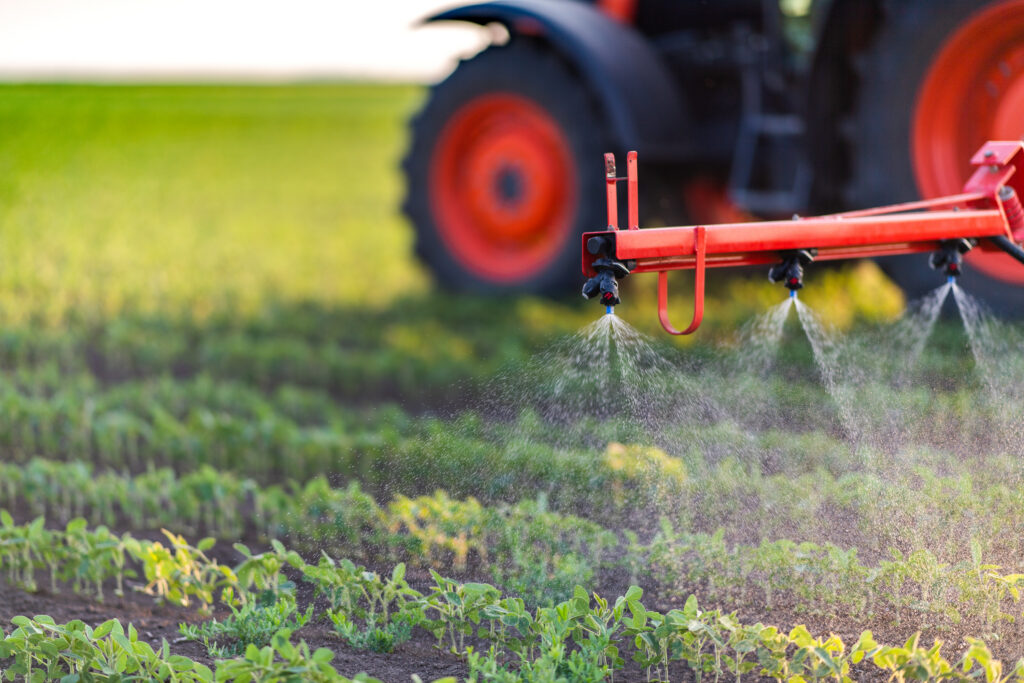
Roundup is Bayer’s glyphosate-based weedkiller. Bayer is under pressure from thousands of lawsuits tied to claims that Roundup caused serious health harm, including cancer. Now the company is threatening to stop selling Roundup in the United States unless policymakers limit the ability of people harmed by Roundup to sue the company.
Even if Bayer followed through, glyphosate would not vanish, and our food system would not be in jeopardy.
Here’s why.
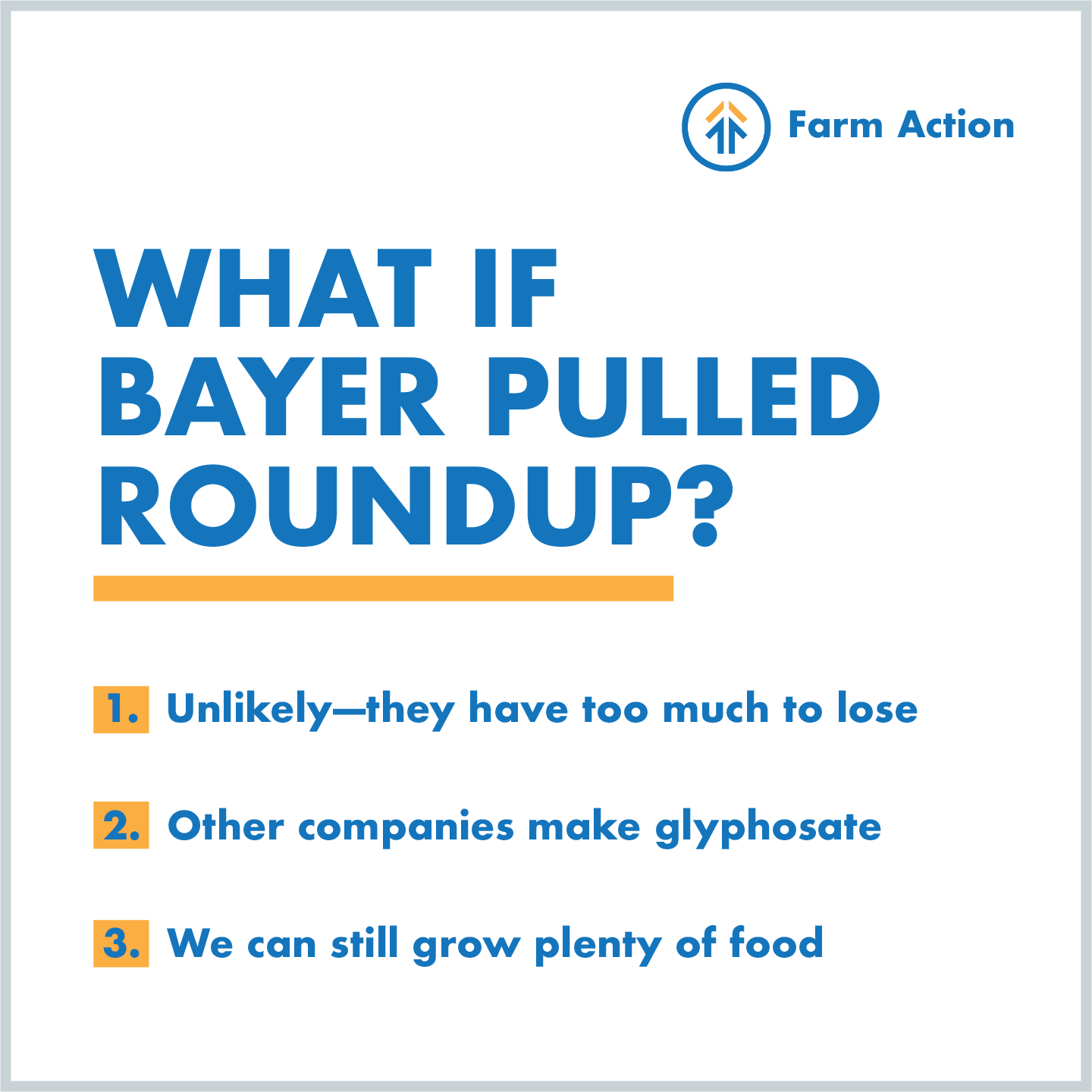
Bayer Pulling Roundup Is Unlikely
Glyphosate is not a small product for Bayer—it’s a major part of its Crop Science business.
In 2024, Bayer reported roughly $2.8 billion in U.S. glyphosate sales, accounting for more than 10% of the division’s global revenue of $26.1 billion. Walking away from that kind of money is not a casual decision.
Bayer has every financial incentive to stay in the market. Threats to exit are far more likely a strategy to influence policymakers and regulators than a genuine plan to abandon a key part of its revenue stream.
If Bayer Exits, Glyphosate Isn’t Gone
Bayer may be a big player, but it’s not the only one producing glyphosate. The U.S. already imports large volumes of generic glyphosate, and multiple companies manufacture similar products. Farmers would still have access to effective herbicides.
Research from the University of Nebraska–Lincoln shows that generics perform just as well as name-brand Roundup in multi-year weed-control trials.
A Bayer pullback might cause some short-term disruption, but it would not mean glyphosate disappears from the market.
If Glyphosate Vanished, Food Wouldn’t
Let’s separate myth from reality: Losing one herbicide does not mean losing our food supply.
“No glyphosate” is not the same as “no weed control.” Farmers have been managing weeds—and producing food—long before glyphosate came on the scene. And today’s agriculture already relies on a mix of tools, from crop rotation and cover crops to mechanical cultivation and multiple herbicide options.
Certified organic farming provides a real-world example: These systems never use synthetic herbicides, yet they still produce significant amounts of food each year.
Organic field corn yields tend to be lower on average than conventional yields, often around 25% less. But even a sizable yield difference would not translate directly into empty grocery store shelves.
That is partly because most glyphosate-treated corn is not grown for direct human consumption. The United States produces a massive volume of corn, and much of it goes to ethanol and livestock feed rather than dinner plates.
Today’s corn use breaks down roughly like this:
- Livestock Feed: 35%
- Fuel: 33%
- Exports: 14%
- Storage: 11%
- Human Food: 8%
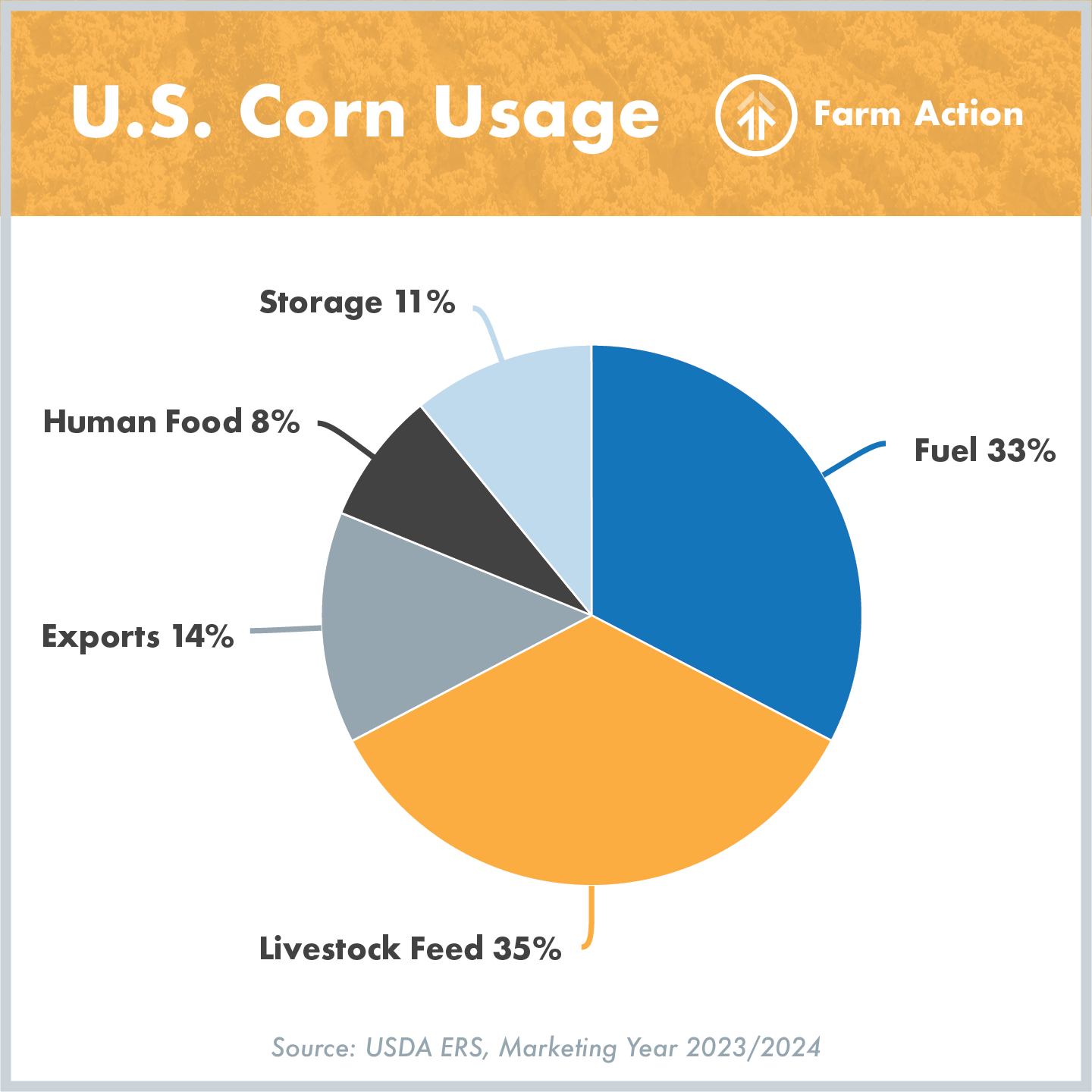
Even a meaningful drop in yields would not translate one-for-one into less food available to consumers.
Bottom Line
Bayer’s threats to pull Roundup are about leverage, not a looming food crisis.
The company has strong financial reasons to continue Roundup production, other suppliers already produce glyphosate, and our food system is resilient enough to adapt.
Pay attention to the headlines—but remember the real story: This is a corporate power play meant to tighten control and deepen dependence. Rather than being a threat to our food system, it’s a warning about who controls it.