The Corporate Playbook: How Monopolies Protect Their Power
America’s food system didn’t become dominated by a handful of corporations by accident—it was built by design.
America’s food system didn’t become dominated by a handful of corporations by accident—it was built by design.
“It’s encouraging to see the Dietary Guidelines put whole, minimally processed foods back at the center,” said Farm Action President Angela Huffman.

A new USDA rule closes a policy loophole that allowed imported meat to receive the “Product of USA” label.
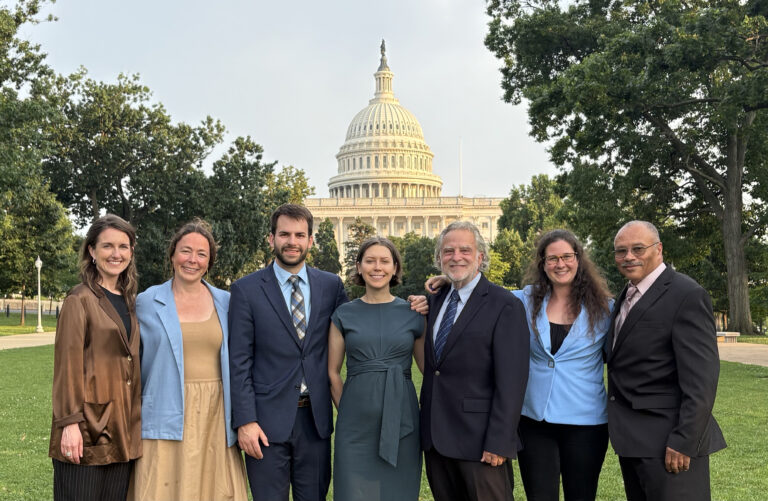
As a farmer-led watchdog, Farm Action challenged corporate power, pressed policymakers, and elevated farmers’ voices to build a fairer food system in 2025.

“Regenerative agriculture is not only better for the land and public health, but it also creates a path to rebuilding farmer profitability,” said Angela Huffman, Farm Action’s president.

“The way we see it is these repeated bailouts are also a sign that the underlying system is broken,” said Farm Action’s Angela Huffman, who runs an Ohio sheep farm.

“The message we’re wanting to get to Washington, D.C., is that the system is broke,” Farm Action’s Joe Maxwell told Fortune.

Joe Maxwell, Farm Action’s chief strategy officer and co-founder, said farmers across the country are hurting.

Farm Action welcomes the regenerative agriculture investment, saying it can improve soil health, cut costs for farmers, and boost resilience—if USDA ensures fair access beyond major corporations.
Farmers are hurting, and relief is welcome — but without fixing the policies that perpetuate this crisis, the bailout cycle will continue.