As of January 1, 2026, “Product of USA” stopped being a marketing trick and became a real standard. A 2023 U.S. Department of Agriculture (USDA) rule for meat labeling has gone into effect, closing a policy loophole that let imported meat be labeled “Product of USA.”
That loophole misled shoppers, undercut America’s ranchers, and gave the largest meat corporations another way to cash in.
Farm Action helped force the change.
What Changed on January 1
For years, meat could be imported and still carry a “Product of USA” label as long as it was processed or repackaged in the United States. That is why so many shoppers assumed they were buying American, and why so many ranchers felt the market slipping out from under them.
The rules rewarded the company that could source the cheapest foreign cattle or beef, move it through a U.S. plant, and sell it under a label that suggested it was domestic. That undercut the price paid to ranchers and stole shelf space from real U.S. products.
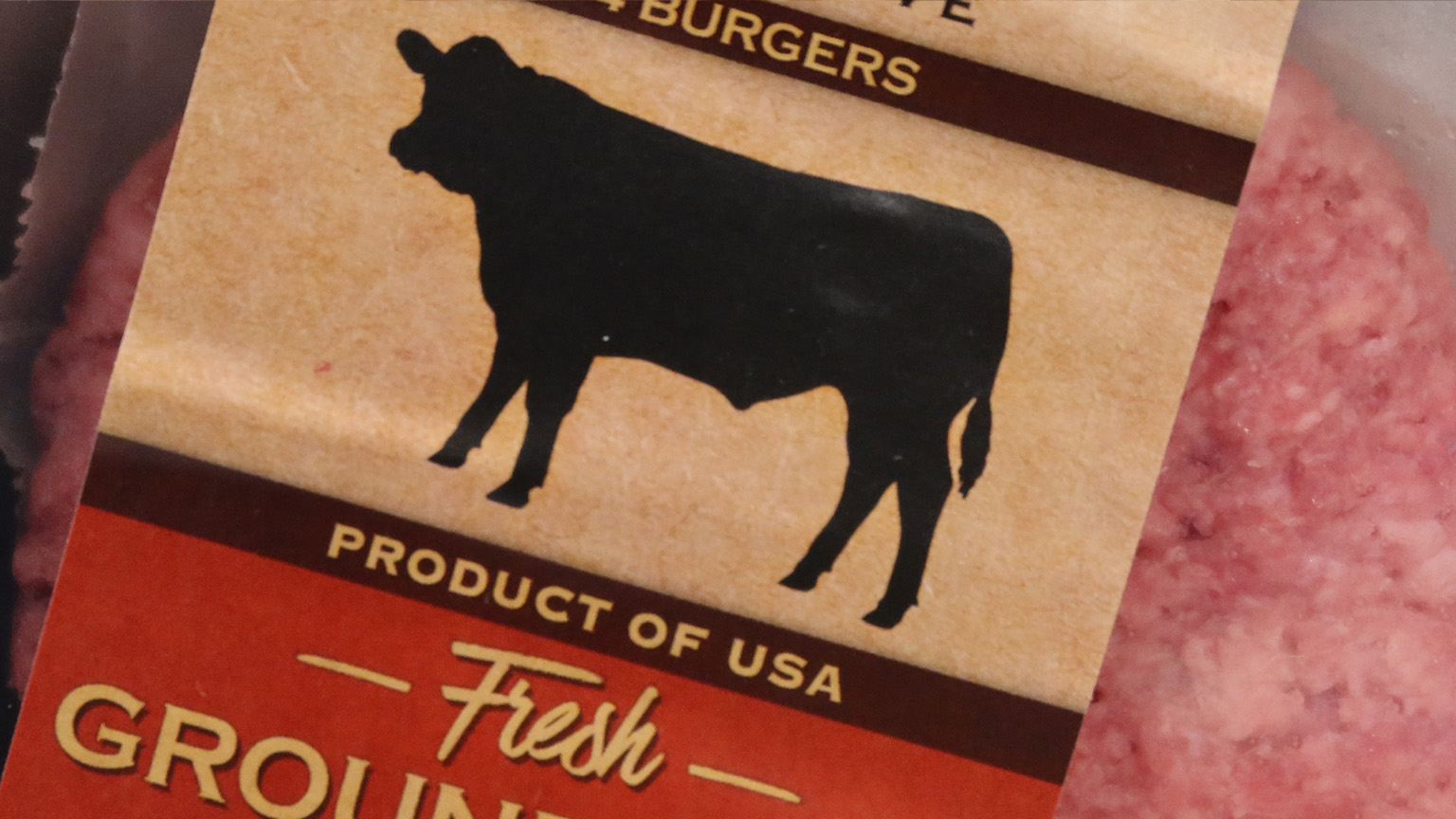
This label is changing as of January 1, 2026.
But starting this January, companies can only use “Product of USA” or “Made in the USA” on meat if it comes from animals born, raised, slaughtered, and processed in the United States. Companies also have to keep records to prove it.
If you see “Product of USA” after January 1, it should now meet this standard.

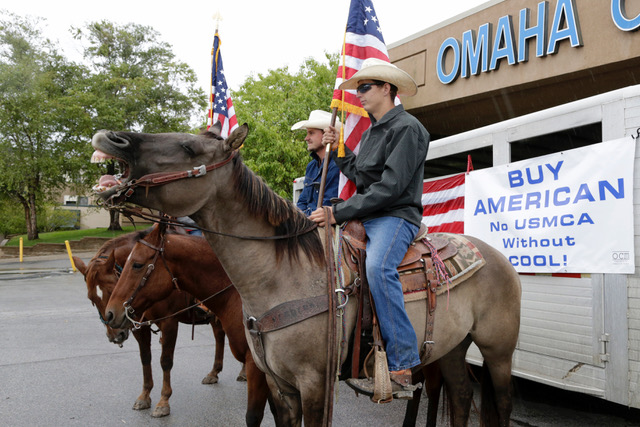
Ranchers packed the room in Omaha to demand fair labeling.
How Farm Action and Allies Won This Fight
This reform did not come from corporations deciding to play fair. It came from farmers and ranchers pushing for the truth.
In 2018, the American Grassfed Association sounded the alarm. Executive Director Carrie Balkcom and then-President Will Harris of White Oak Pastures were hearing from cattle producers who were being undercut by imported meat carrying a “Product of USA” label. Carrie and Will brought the problem to Joe Maxwell and Angela Huffman, who later co-founded Farm Action.
Together, the four took the issue to the USDA and asked for a basic fix. USDA refused to act.
So we filed a formal petition demanding that the loophole be closed. We went public, organized farmers, and forced national attention on a label that was misleading shoppers and hurting producers. Thousands of people and organizations backed reform. Ranchers even rode horses through Omaha to make the point clear.
In 2020, USDA denied the petition and tried to settle for a weaker approach that still would have allowed imported animals to qualify. Farm Action and allies kept pushing.
Later that year, we took this priority to the incoming administration. In 2023, USDA proposed a strong rule that matched what ranchers had demanded from the start. Farm Action rallied supporters, filed comments, and kept the pressure on. In 2024, USDA finalized the rule and set it to take effect January 1, 2026.
What This Rule Does Not Do
This rule does not require every package of meat to carry a country of origin label.
The “Product of USA” claim is still voluntary. Companies can choose not to use it, and imported meat can still be sold with little to no origin information. If there is no origin claim on the package, shoppers still have no way to tell where that meat came from.
So the “Product of USA” rule is a win, but it leaves a gap.
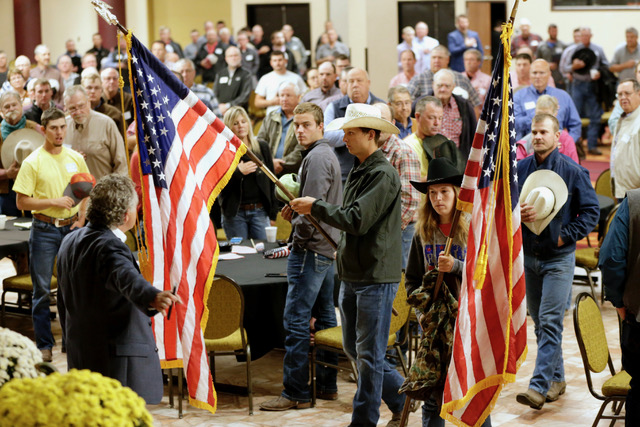
Farm Action co-founder Joe Maxwell guiding the flag procession at the Omaha rally.
Why We Still Need MCOOL
If we want full transparency, we need Mandatory Country of Origin Labeling (MCOOL).
The “Product of USA” rule is voluntary. Companies only have to meet the standard if they choose to use the label.
MCOOL is different. It puts origin information on every package at the store, so shoppers do not have to guess, and ranchers do not have to compete with imported meat hidden in plain sight.
MCOOL for beef was repealed in 2015 after corporate pressure and trade threats. Congress has introduced legislation like the American Beef Labeling Act to restore it. Separately, the Trump administration can pursue origin labeling protections in U.S.-Mexico-Canada trade negotiations.
The Bottom Line
On January 1, 2026, “Product of USA” finally got a real meaning. If a company uses that label on meat, it has to come from animals born, raised, slaughtered, and processed in the United States. Farm Action helped make that happen by staying in this fight when USDA refused to act, and meatpacking corporations pushed for weaker standards.
This is a win for ranchers and shoppers who want the truth at the meat case. But “Product of USA” is still voluntary, and imported meat can still be sold with little to no origin information. That is why MCOOL still matters. Shoppers deserve clear origin labels on every package, and ranchers deserve a market where imported meat cannot hide in plain sight.
Honest labels are essential for fair markets. We are not done.