For decades, the farm bill has been where Congress makes the big decisions that shape our food system.
This year, many of the biggest funding decisions were made through other legislation. But the farm bill still matters: It will focus less on new spending and more on the rules that determine who benefits and who gets left out. It’s an opportunity to ensure farm policy serves the public, not special interests, and to support independent farmers, healthy food, and U.S. food security.
We’ve zeroed in on seven policy priorities where these rule changes can make a real difference.
Policy Priorities
1. LEVERAGE FEDERAL PROCUREMENT AS A MARKET-SHAPING TOOL
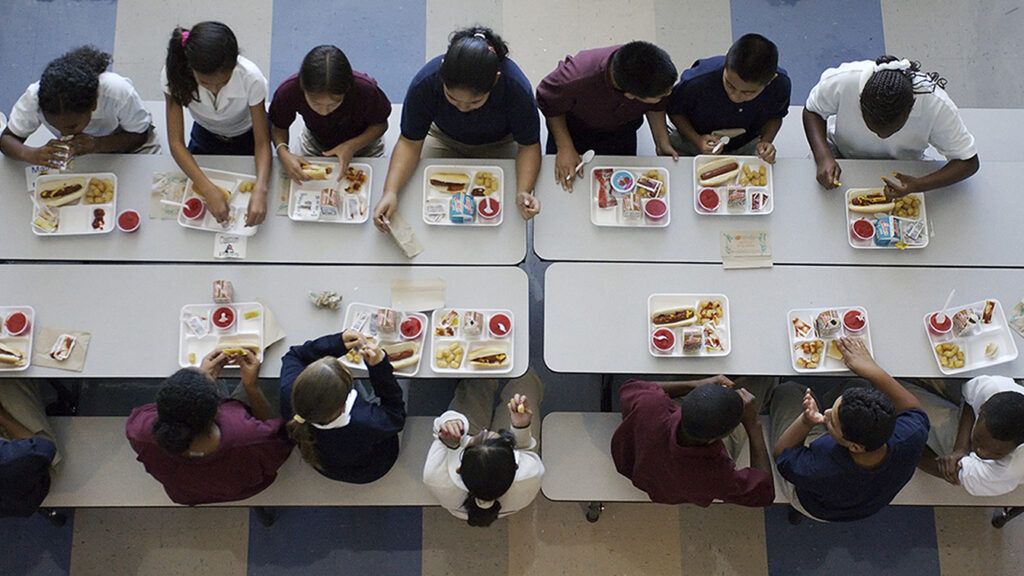
Use procurement policy to shift public food purchasing toward producers and supply chains that support public health, rural communities, and long-term economic and environmental sustainability.
Strengthen competition, transparency, and innovation across the food and agriculture system by addressing consolidation, input costs, and market abuses.
Support decentralized processing, aggregation, and distribution that strengthen farmer viability, competition, and access to healthy, locally produced food.
4. PROMOTE RISK MANAGEMENT AND PROGRAM ACCESS FOR SPECIALTY CROP AND DIVERSIFIED PRODUCERS
Expand risk management access for diversified and specialty crop producers largely excluded from the farm safety net so they can stay viable and meet growing demand.
5. EXPAND ADOPTION OF ORGANIC, REGENERATIVE, AND SOIL HEALTH PRACTICES
Align conservation programs, technical assistance, and risk management tools to make it easier for farmers to transition to organic, regenerative, and soil health approaches—and to ensure public investments deliver lasting environmental, public health, and economic benefits.
6. OPPOSE FEDERAL PREEMPTION AND PESTICIDE IMMUNITY PROVISIONS
Protect state authority to set and enforce food, farming, and animal welfare standards that create market opportunity for independent farmers.
Preserve accountability for pesticide-related harms by opposing proposals that grant manufacturers legal immunity and weaken protections for farmers, workers, and communities.
7. RESTORE MANDATORY COUNTRY-OF-ORIGIN LABELING (MCOOL) FOR BEEF
Restore MCOOL requirements for beef so U.S. producers can compete on a level playing field and consumers can choose to support them with clear, accurate labeling.
The next farm bill won’t be the massive package it once was—many of the biggest spending decisions were already made through last year’s budget reconciliation. But what’s left matters just as much.
These decisions will shape independent farmers’ ability to compete, communities’ access to healthy, locally grown food, and whether the system favors Big Ag or the public interest.
Read the full blog to see how the “skinny” farm bill could influence the future of farming, food, and rural communities.
TELL CONGRESS: PROTECT OUR FOOD AND FARMERS
In just a few clicks you can urge Congress to back independent farmers—not corporate giants—in the 2026 Farm Bill.
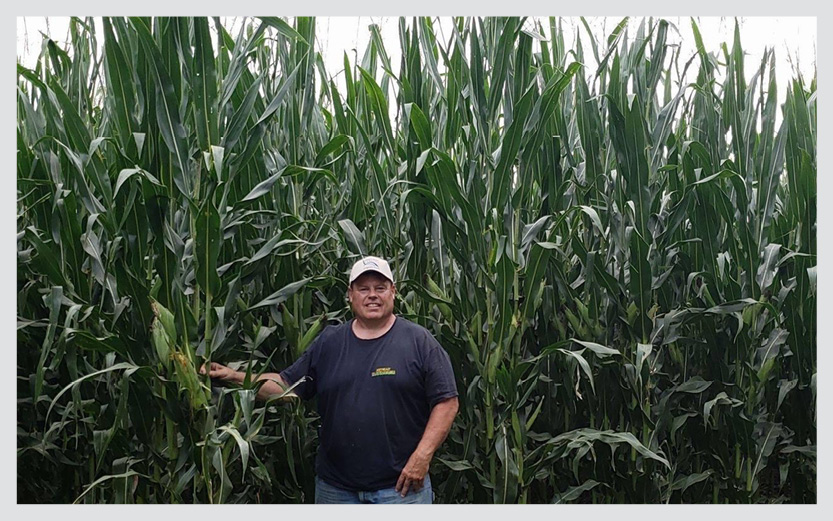
“These are the kinds of changes we need for a farm system to work better for farmers like me—one that rewards scrappy entrepreneurs, keeps family farms viable, and puts fairness and competition back at the center of agriculture.”
Charles Harden
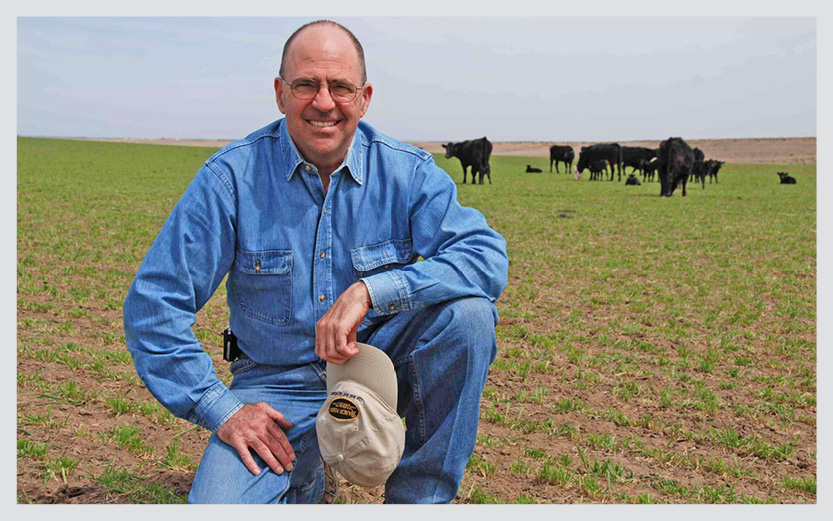
“This is the most important farm bill in the nine generations my family has farmed. Right now, we can come together around Farm Action’s priorities, or risk losing more family farms.”
Kevin Fulton
“Farmers across the country share many of the same challenges and concerns. This platform captures the shared need for a farming system that’s more transparent, resilient, and profitable.”
Mike Callicrate
“I have directly experienced the deterioration and near-collapse of our agricultural system due to decades of abusive market practices, lax antitrust law enforcement, and growing monopoly control. Supporting strong local and regional food infrastructure is key to rebuilding a system that works for farmers, and Farm Action’s farm bill priorities help chart a path forward.”
Wes Shoemyer
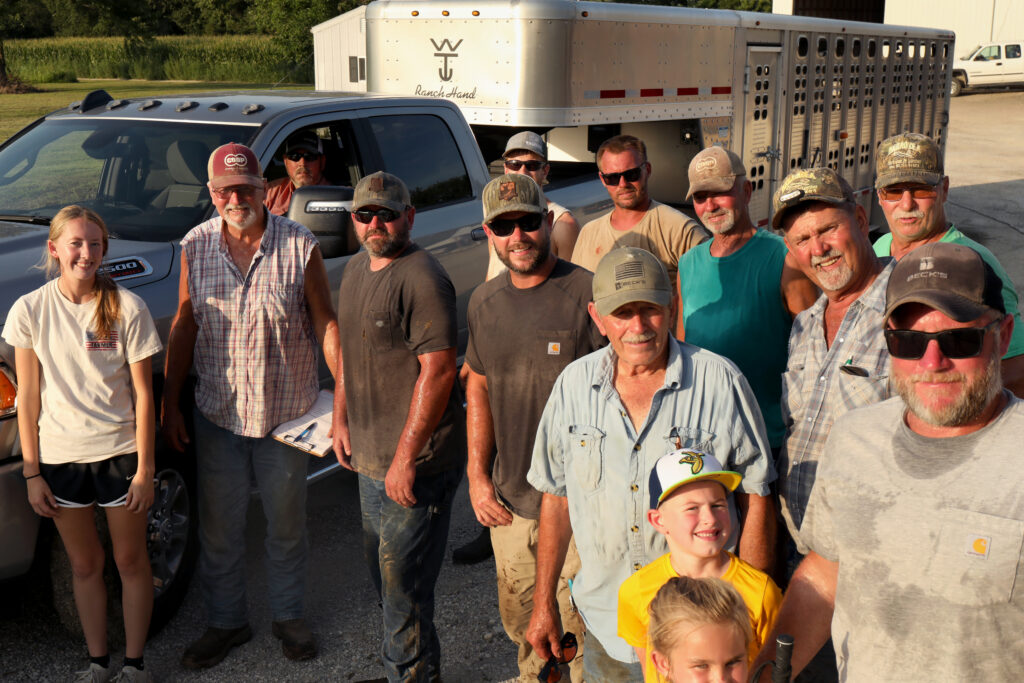
“For over 40 years, we’ve watched farmers' rights and choices be eroded. Along with those being eroded, we’ve watched rural communities be hollowed out by the extraction of our wealth. If there’s one thing I understand, bringing in the next generation requires sustainability, and that requires making a profit. We need a farm bill that respects our hard work and protects our ability to make profits.”