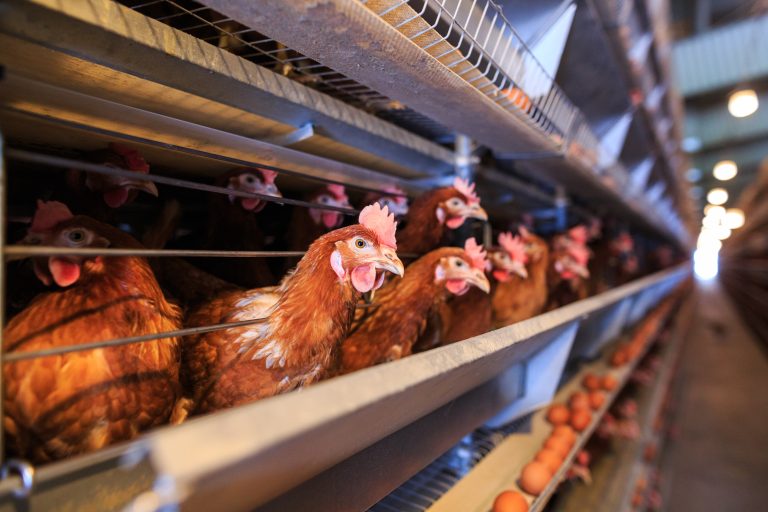
The Wall Street Journal | Justice Department Opens Probe of Sharp Surge in Egg Prices
The Department of Justice launched an investigation into egg prices following Farm Action’s letter to federal agencies.

The Department of Justice launched an investigation into egg prices following Farm Action’s letter to federal agencies.
Farm Action says dominant egg producers have leveraged the bird flu supply disruption to raise prices, amass record profits, and consolidate market power.
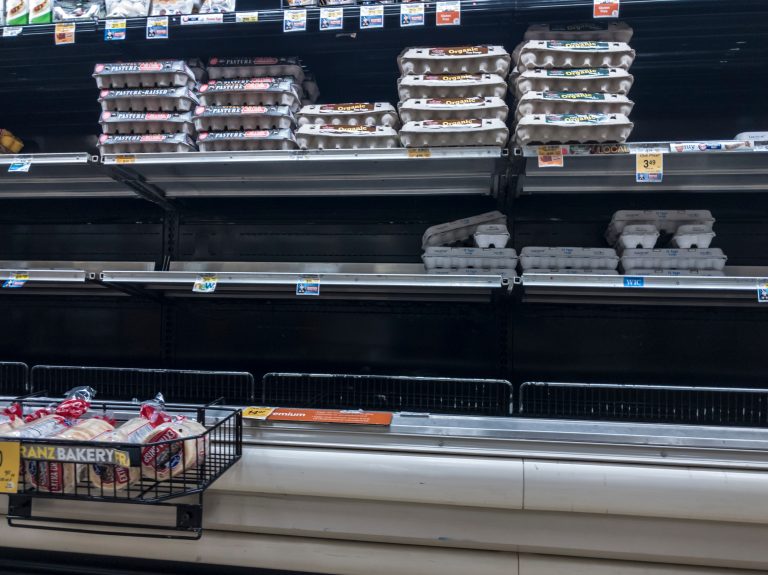
“Dominant egg corporations are blaming avian flu for the price hikes that we’re seeing. But while the egg supply has fallen only slightly, these companies’ profits have soared,” said Angela Huffman, Farm Action’s president.
Farm Action has called for a deeper investigation into whether industry concentration and practices are behind this price spike.
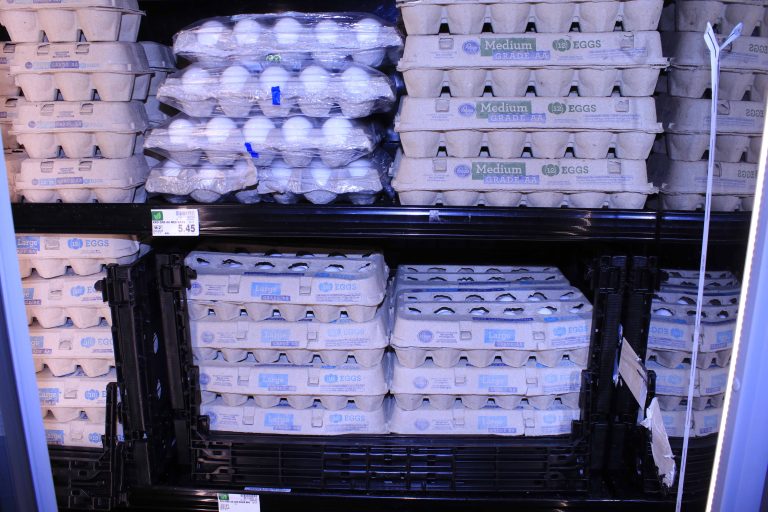
The group contends that the losses from culling egg-laying chickens has been “relatively modest” in relation to the size of the U.S. egg-laying flock, while producers’ profit margins have soared.

“By withholding software information to diagnose and repair equipment, manufacturers are forcing farmers to often face long wait times and sometimes drive hundreds of miles to find an authorized dealer — jeopardizing hundreds of thousands of dollars in potential yields,” said Farm Action’s Joe Maxwell.

“These are supposed to be competitors, but they’re sharing all of this proprietary data,” said Farm Action’s Sarah Carden.
“Today’s ruling is a necessary blow to corporate control over our food and agriculture system,” said Farm Action’s president and co-founder Angela Huffman.

Farm Action’s Angela Huffman sounded the alarm on CNBC news that America’s family farmers are struggling under harmful government policies that put the largest corporations first.

The agricultural supply chain is dominated today by roughly three dozen companies, according to an analysis from Farm Action.