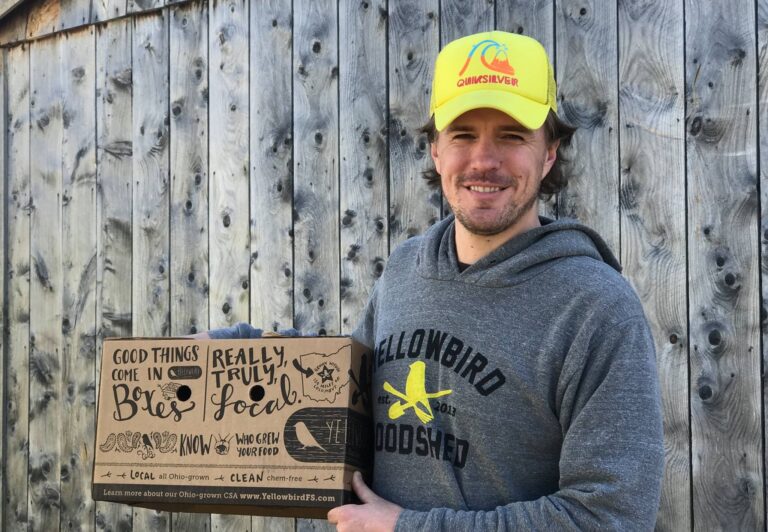
Rethinking the Farm Bill: Supporting Farmers Close to Home
Local food systems didn’t collapse by accident. Benji Ballmer is working to rebuild them—and pushing for a farm bill that helps communities feed themselves again.

Local food systems didn’t collapse by accident. Benji Ballmer is working to rebuild them—and pushing for a farm bill that helps communities feed themselves again.
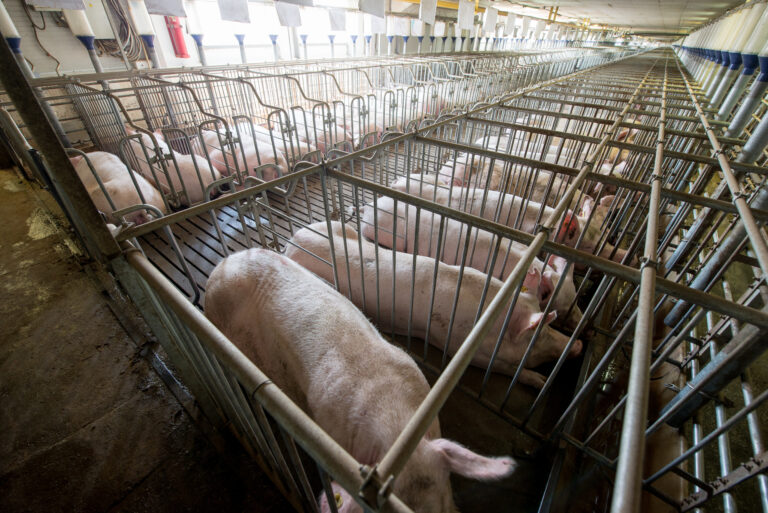
The House passed a new Farm Bill after a messy debate—but it leaves the same failing system in place.
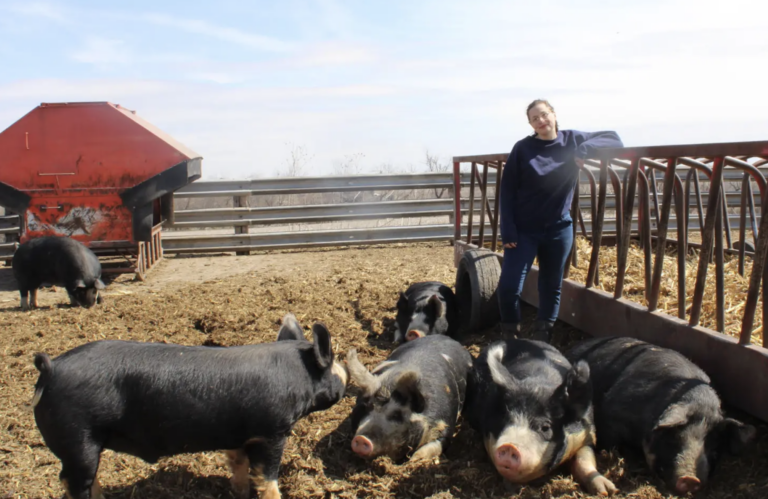
Restoring competition in the food system would benefit farmers like Anna Pesek, who had to build her own markets just to survive.
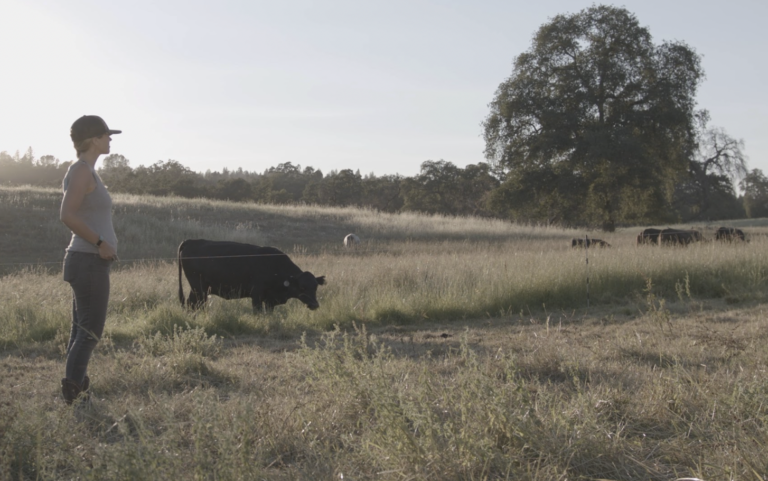
Congress could bring back Mandatory Country of Origin Labeling for beef in the farm bill—and ranchers like Carrie Richards say it’s long overdue.
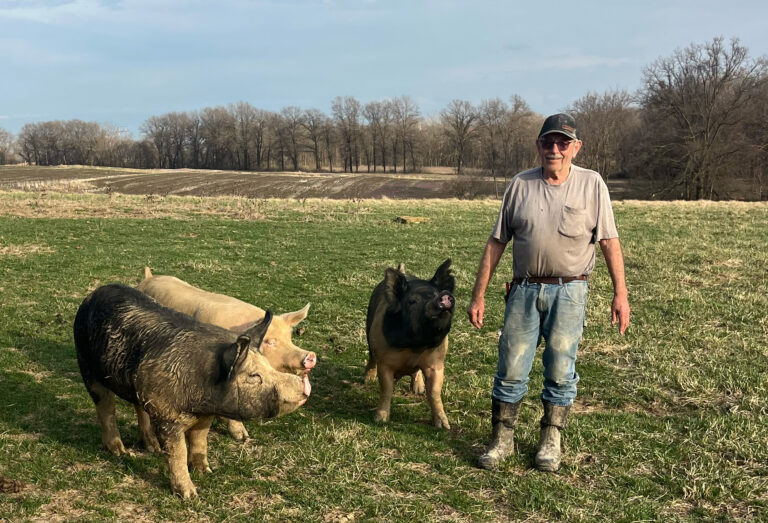
Missouri farmer Bob Street says Prop 12 helped keep his independent hog farm in business, and is urging Congress not to overturn it in the 2026 Farm Bill.

Bayer has threatened to stop selling Roundup in the U.S., but the reality is that not much would change if they did. Here’s why the threat doesn’t hold up.
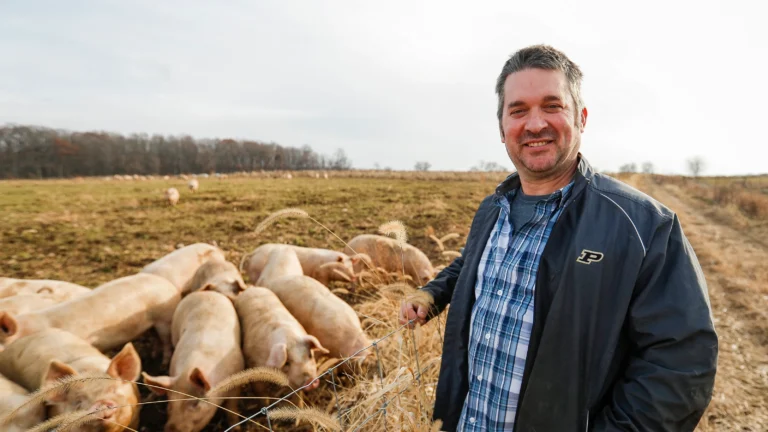
Farmer Greg Gunthorp says U.S. government food purchases could boost rural communities and improve food quality if sourced through local, independent producers.
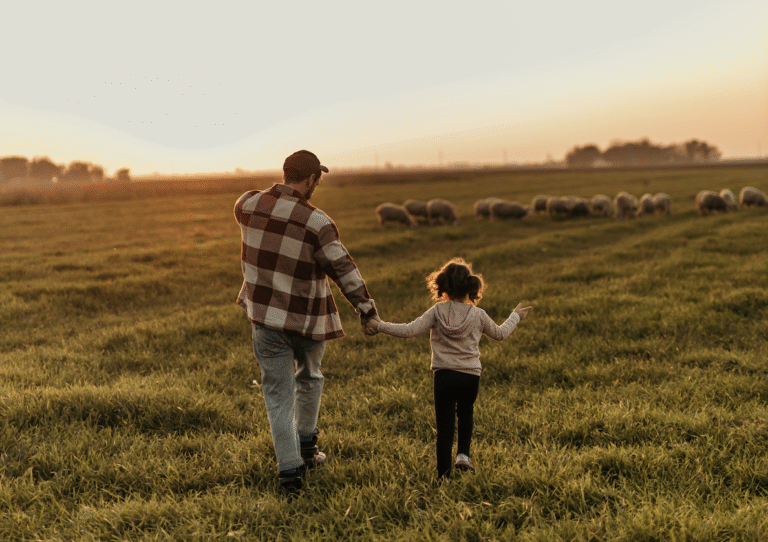
Monopoly power in agriculture is not inevitable, and it can be challenged. This blog lays out key lessons from the past that can help chart our path forward.
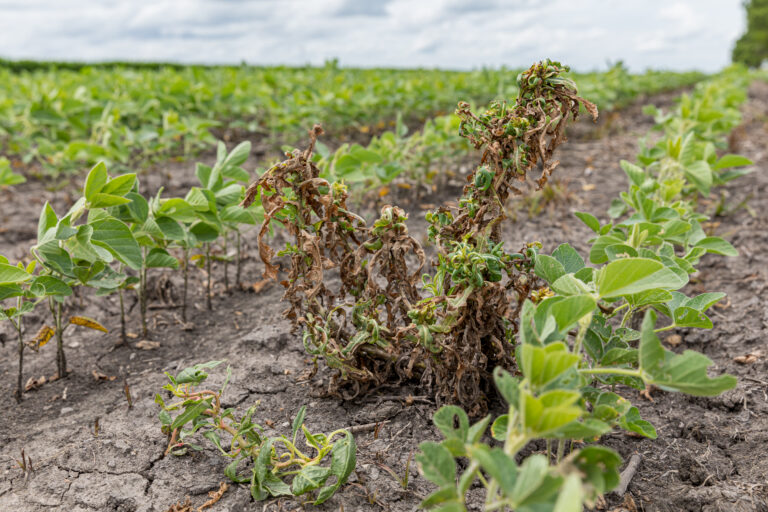
Farmers have been boxed into a system in which one neighbor’s weed control can become another neighbor’s loss.
Congress is about to start working on the 2026 Farm Bill, and the policy decisions at play will have high stakes for farmers and our food system.