Lowering Beef Prices While Rebuilding America's Cattle Sector
Americans are paying more than ever for beef. A pound of ground beef costs 70% more today than it did six years ago. Steak costs almost twice as much as it did in 2020.
Policymakers are looking for ways to lower prices quickly, including by importing more beef. But increased imports could undercut U.S. ranchers without guaranteeing lower prices at the grocery store.
The better path is to rebuild domestic cattle production, restore competition in meatpacking and retail, and make sure consumers see real savings.
The U.S. beef market has been shaped by decades of consolidation. In the 1970s, the top four beef packers controlled about 36% of the market. Today, four companies control roughly 85%.
As packers and retailers gained more market power, ranchers lost bargaining power. Their share of the retail beef dollar fell from more than 60% to the mid-30s, even as consumers kept paying more.
Now the U.S. cattle herd has fallen to its lowest level since 1951 after years of producer exits and herd liquidation. While surviving ranchers are finally receiving a healthier share of the retail beef dollar, that recovery is fragile.
WHY MORE IMPORTED BEEF WILL NOT FIX THE PROBLEM
Importing more beef may sound like a quick fix, but it does not solve the real problem. In a highly concentrated market, more imports may lower prices paid to U.S. ranchers without lowering grocery prices for consumers. The largest packers and retailers could simply capture the difference.
More imports also risk weakening ranchers’ incentive to rebuild herds when the country needs more domestic cattle production.
Greater reliance on imported beef would make the United States more vulnerable to foreign supply disruptions, weakening long-term food security at a time when the country is already facing a growing agricultural trade deficit.
Imports can play a role in the market, but they should not replace a serious strategy to rebuild America’s cattle sector.
Consumers deserve to know where their beef comes from. Mandatory Country-of-Origin Labeling would let shoppers choose U.S.-raised beef and send a clearer market signal to American ranchers.
Congress and the Administration should create a temporary heifer retention tax credit to help ranchers keep breeding animals instead of selling them. Rebuilding the herd takes time, and producers need support during that process.
Federal policy should help convert marginal cropland back into pasture where it makes sense. A temporary pasture restoration program could support fencing, water infrastructure, and establishment costs while rebuilding long-term cattle capacity.
Conservation programs should be reviewed to ensure they do not unintentionally discourage working grazing lands. Strong grazing systems are important for cattle production, rural economies, soil health, and drought resilience.
The beef sector needs more independent and regional processing capacity. Targeted financing, technical assistance, and procurement support can help smaller processors compete and give ranchers more marketing options.
The federal government buys large amounts of beef for schools, food assistance programs, military facilities, and other institutions. Those dollars should support U.S.-raised beef, independent producers, regional processors, and producer-owned cooperatives whenever possible.
Federal agencies should investigate meatpackers and retailers, strengthen enforcement of the Packers and Stockyards Act, reform the beef checkoff program, improve market transparency, and examine pricing practices when consumer prices rise while producer returns remain squeezed.
Congress should also consider federal price-gouging authority for concentrated food markets during emergencies or severe supply disruptions.
BOTTOM LINE
Consumers and ranchers are not opposing interests. The long-term solution is rebuilding the U.S. cattle herd, restoring competition, expanding regional processing, and making sure the benefits reach both producers and consumers.
AS SEEN IN
Recent coverage of Farm Action’s work on beef prices, import proposals, and rebuilding America’s cattle sector:
RANCHER ENDORSEMENTS
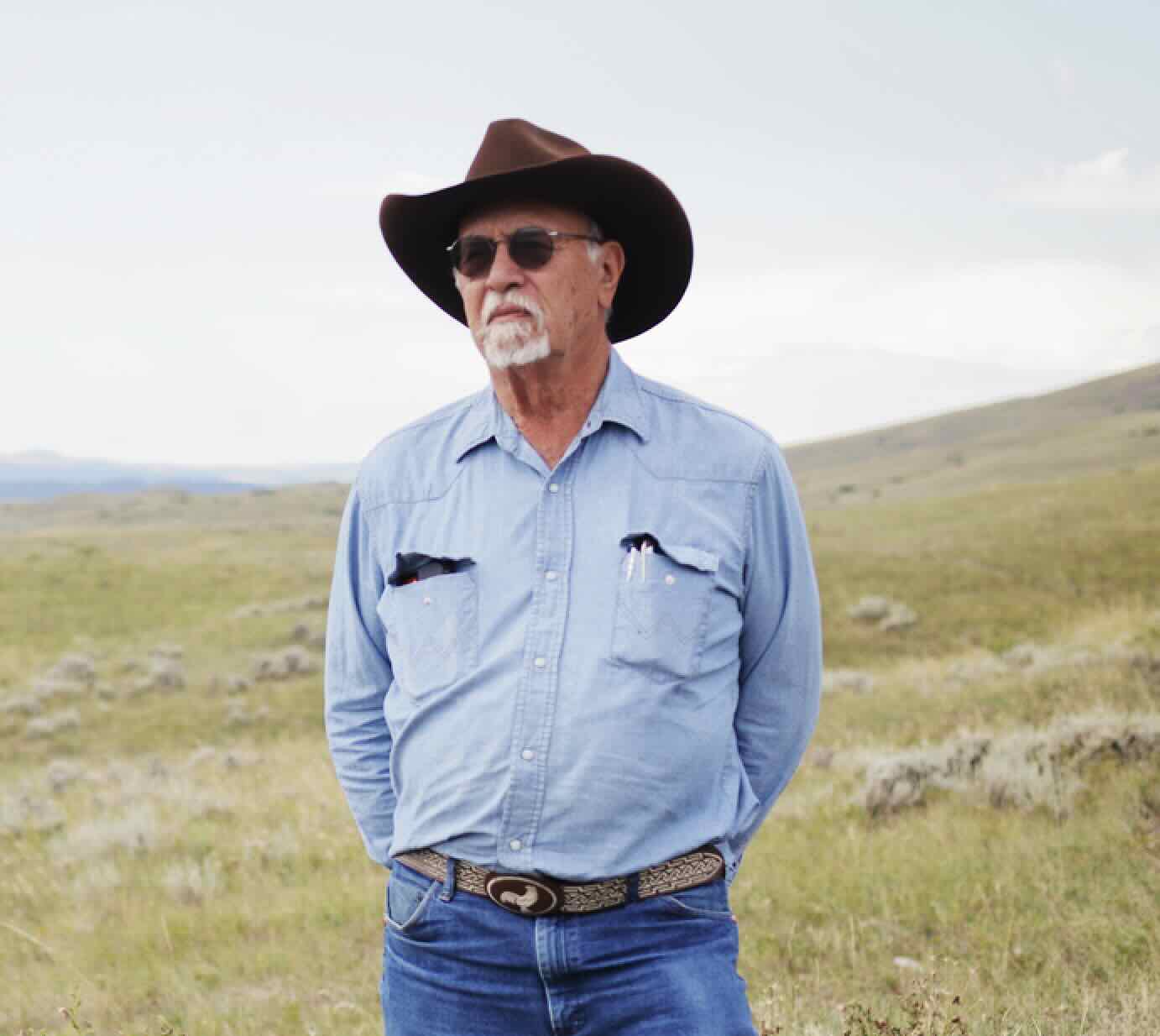
"I've seen firsthand how difficult it is for family ranchers to compete when imported beef is marketed as if it were raised in the United States. If we want to keep family ranches in business and rebuild America's cattle herd, we need policies that support domestic production and give consumers clear information about where their beef comes from."
Gilles Stockton, Montana
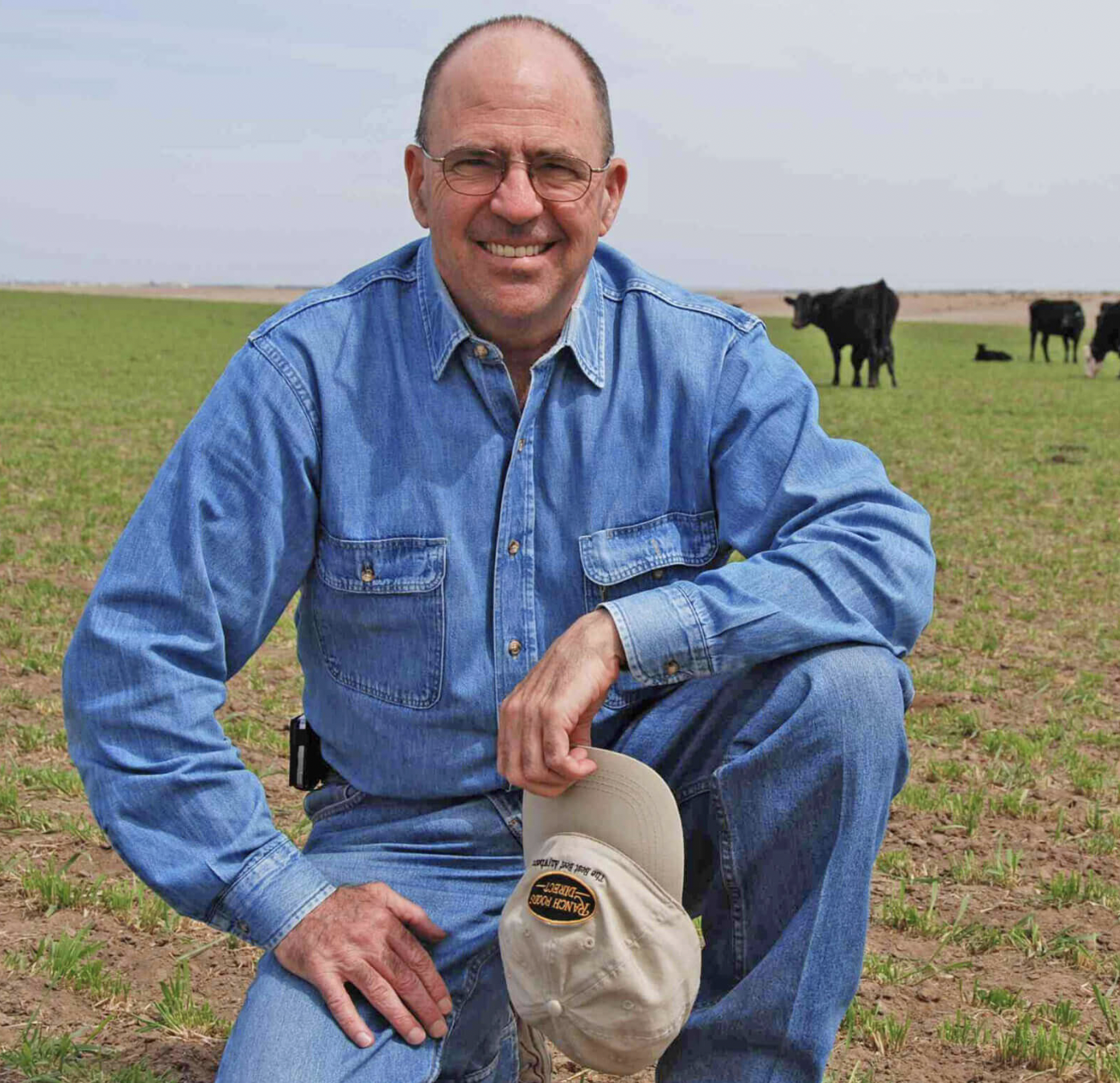
"As a U.S. rancher, I know we're not going to rebuild the cattle herd by importing more beef or maintaining a marketplace dominated by a handful of powerful meatpackers. Farm Action's recommendations would help restore competition, strengthen domestic production, and give ranchers the confidence to invest in growing the next generation of American cattle."